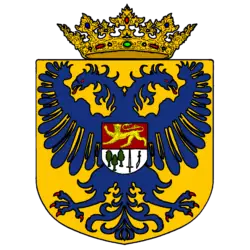
The Emperor · 1500–1558
Charles V
The man who inherited the world, and then handed it back
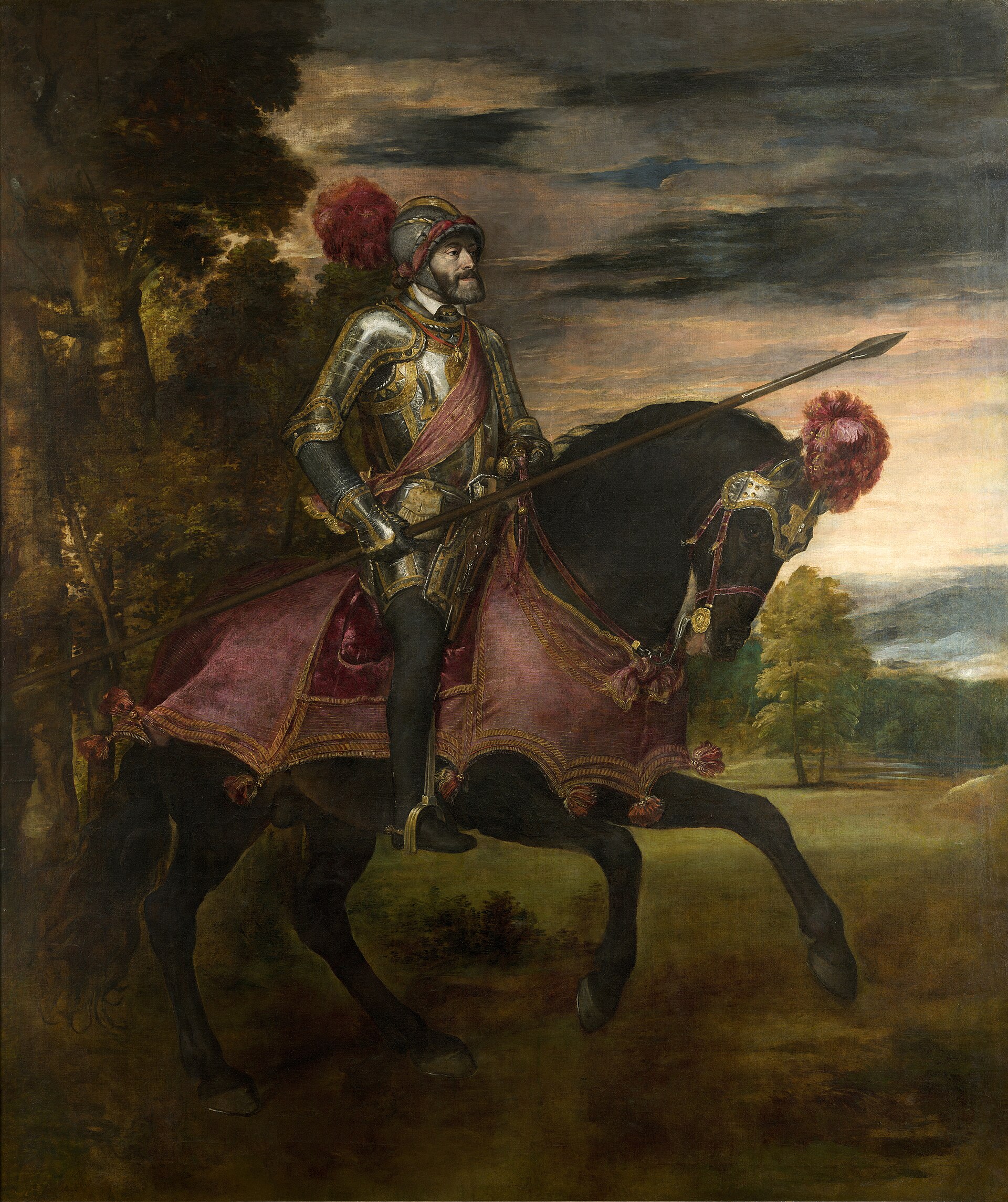
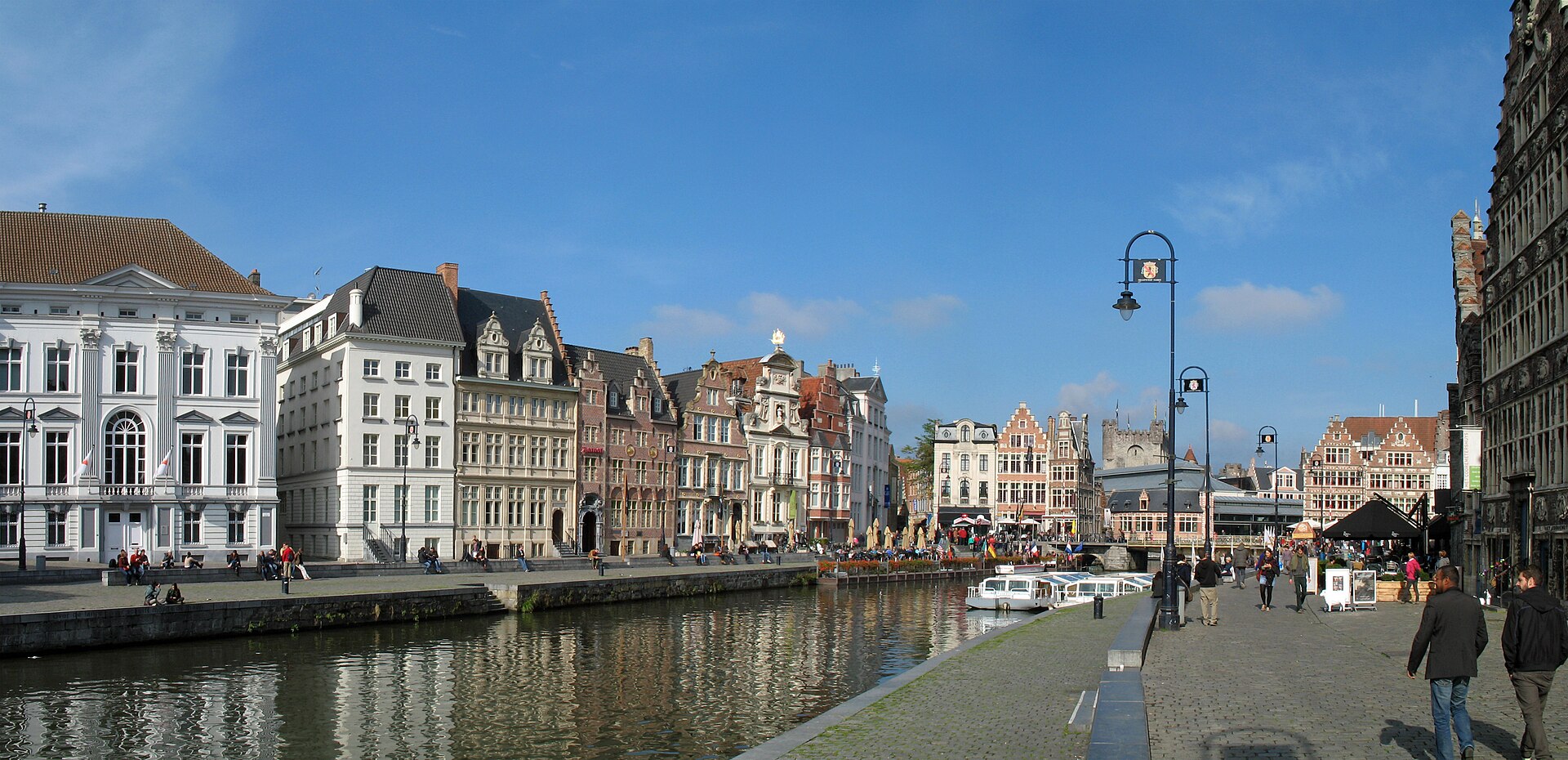
He was born in Ghent, grew up speaking French, learned Spanish because he had to, and ruled more of Europe than anyone since Rome. He spent forty years holding it together. And then, at fifty-five, worn out and full of gout, he did the thing emperors do not do.
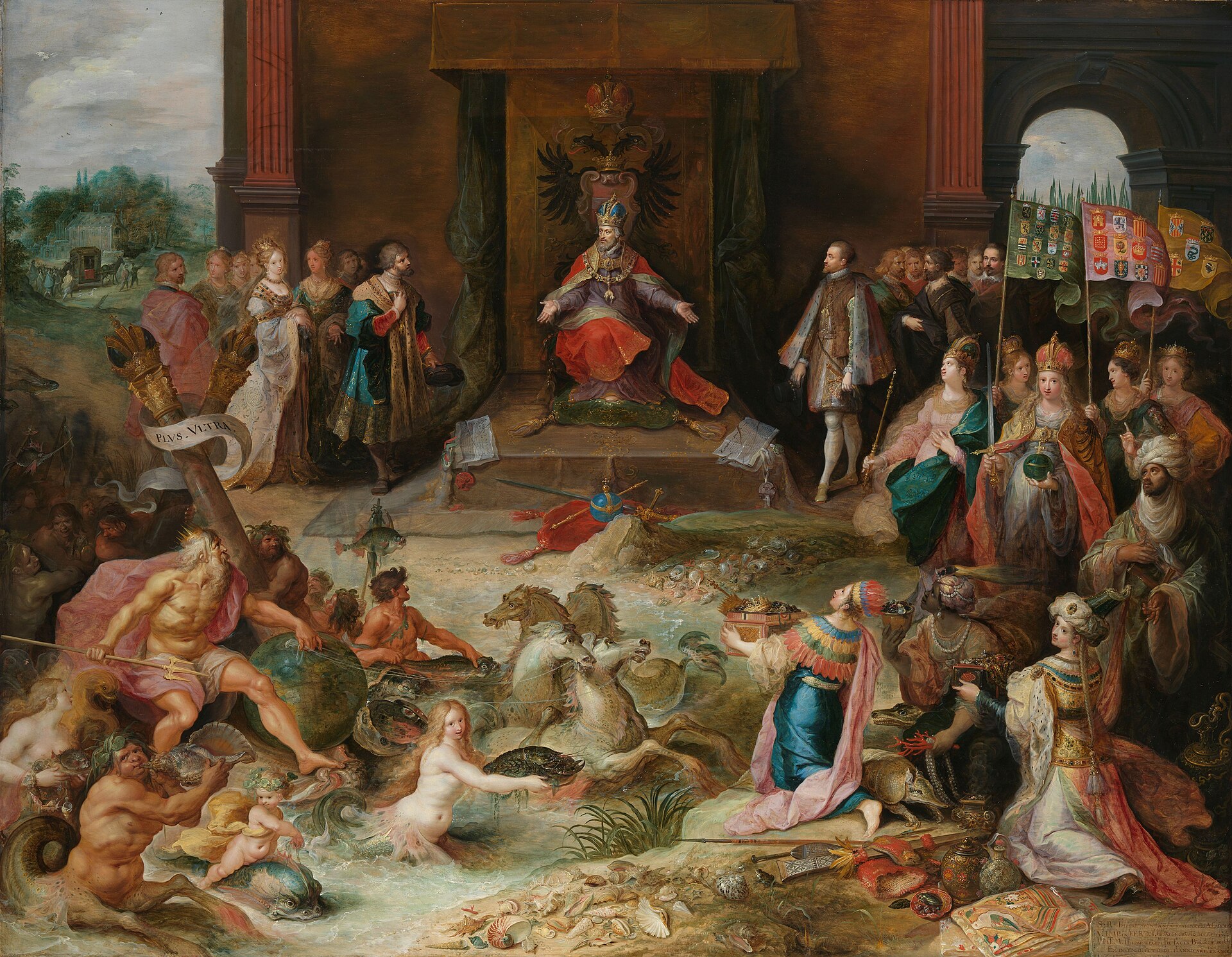
He gave it up. The Netherlands first, then Spain three months later, and the Empire last of all — that one not settled until the electors met at Frankfurt in 1558. He was already in a small house beside a monastery in Extremadura with his clocks.
- Born
- Ghent, 24 February 1500
- Inherited
- Duke of Burgundy at six. King of Spain at sixteen. Holy Roman Emperor at nineteen.
- Ruled
- The Low Countries, Spain, Austria, much of Italy, and the first European empire in the Americas
- Gave it up
- Brussels, October 1555 — the rest by January 1556
- Died
- Yuste, Extremadura, 21 September 1558
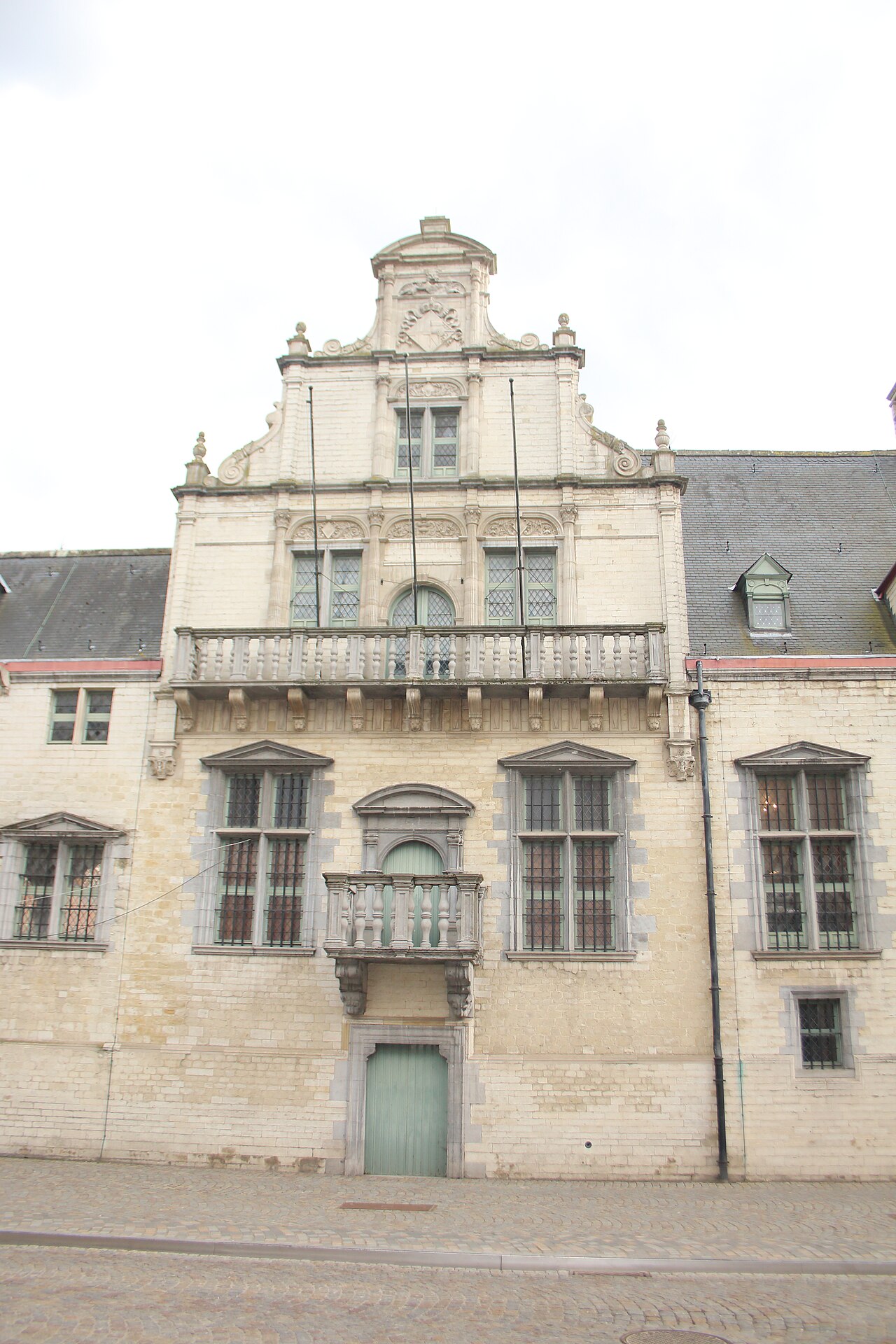
A boy with too many grandparents
Nothing about Charles was planned. He was assembled.
His four grandparents were Maximilian I and Mary of Burgundy on one side, Ferdinand of Aragon and Isabella of Castile on the other. Between them they held Austria, the Low Countries, Aragon, Castile, Naples, Sicily and a new world nobody had finished measuring. In the ordinary run of things those inheritances would have gone in four directions.
Instead a run of deaths nobody could have arranged sent them all to one boy. His father died at twenty-eight. His mother's elder brother died at nineteen, her elder sister and that sister's son shortly after. By 1519 the whole pile had landed on a nineteen-year-old from Ghent with a Burgundian accent and a jaw the portraits do not flatter.
It is worth saying plainly, because the family has enjoyed the opposite version for four hundred years: the marriages were shrewd, and the arithmetic was luck.
The famous line about the languages
You will have heard it: that he spoke Spanish to God, Italian to women, French to men, and German to his horse.
It is a wonderful line and it is very likely not his. It is not recorded in his lifetime and only attaches to his name much later, in a variety of arrangements — the languages, and who gets which, move about from telling to telling.
What is true is duller and more interesting. He was raised in the Low Countries and French was his first language. He came to Spain at seventeen barely able to speak Castilian and had to learn it in public, in front of a court that noticed. He got there. By the end of his life Spanish was the language he chose to retire into.
The empire that had to ask
Here is the thing most summaries miss, and it is the most modern thing about him.
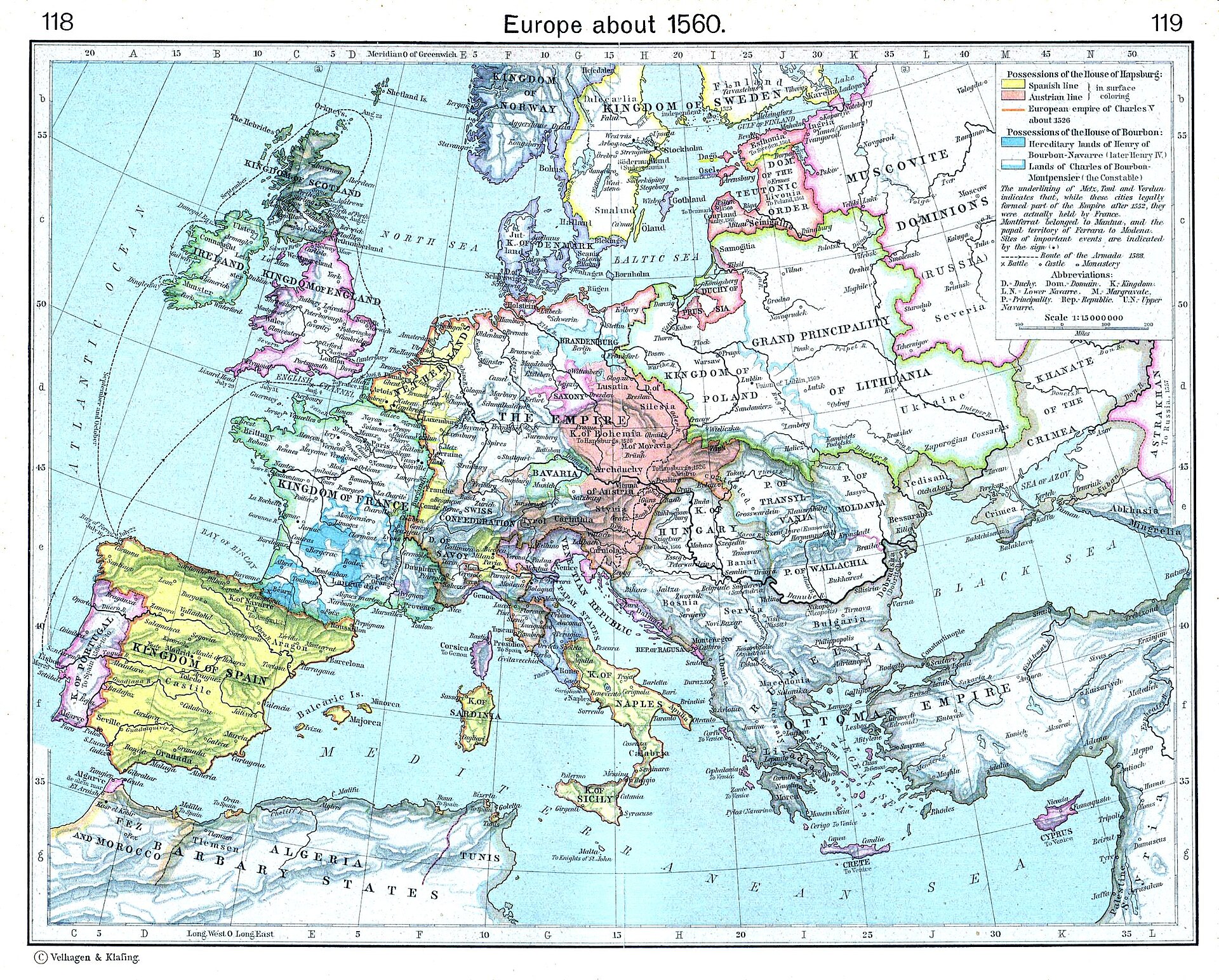
Charles could not simply take money. He had to ask for it, province by province, assembly by assembly, and be refused, and ask again. His territories kept their own laws, their own courts, their own languages and their own privileges, and he made no serious attempt to abolish any of it. Historians call this a composite monarchy: many countries under one ruler, each governed as though he were sovereign of it alone.
It meant an empire held together by negotiation, correspondence and an enormous amount of travel. He was on the road for most of his adult life. He crossed the Mediterranean, the Alps and the Channel more times than most of his subjects left their own parish.
The machinery, for those who like machinery
The collateral councils, 1 October 1531. A standing executive for the Low Countries — a Council of State, a Privy Council and a Council of Finances — giving the government a permanent centre that was not simply the person of the ruler.
The Transaction of Augsburg, 26 June 1548. The Habsburg Low Countries were grouped into the Burgundian Circle: for the first time an administration whose jurisdiction was "the Netherlands" as a single thing, sitting above seventeen separate provinces.
The Pragmatic Sanction, 4 November 1549. Declared the Seventeen Provinces forever one and indivisible — while, on its face, leaving each province its own customs, laws and forms of government. A single legal personality preserving internal difference is a recognisably federal idea, and it is being written down in 1549.
None of which made it a democracy. The assemblies were consulted about money and men, not about policy, and it is easy to overstate them into a parliament they were not.
Ghent · February 1540
The city that said no
And then there is the other half of the sentence.
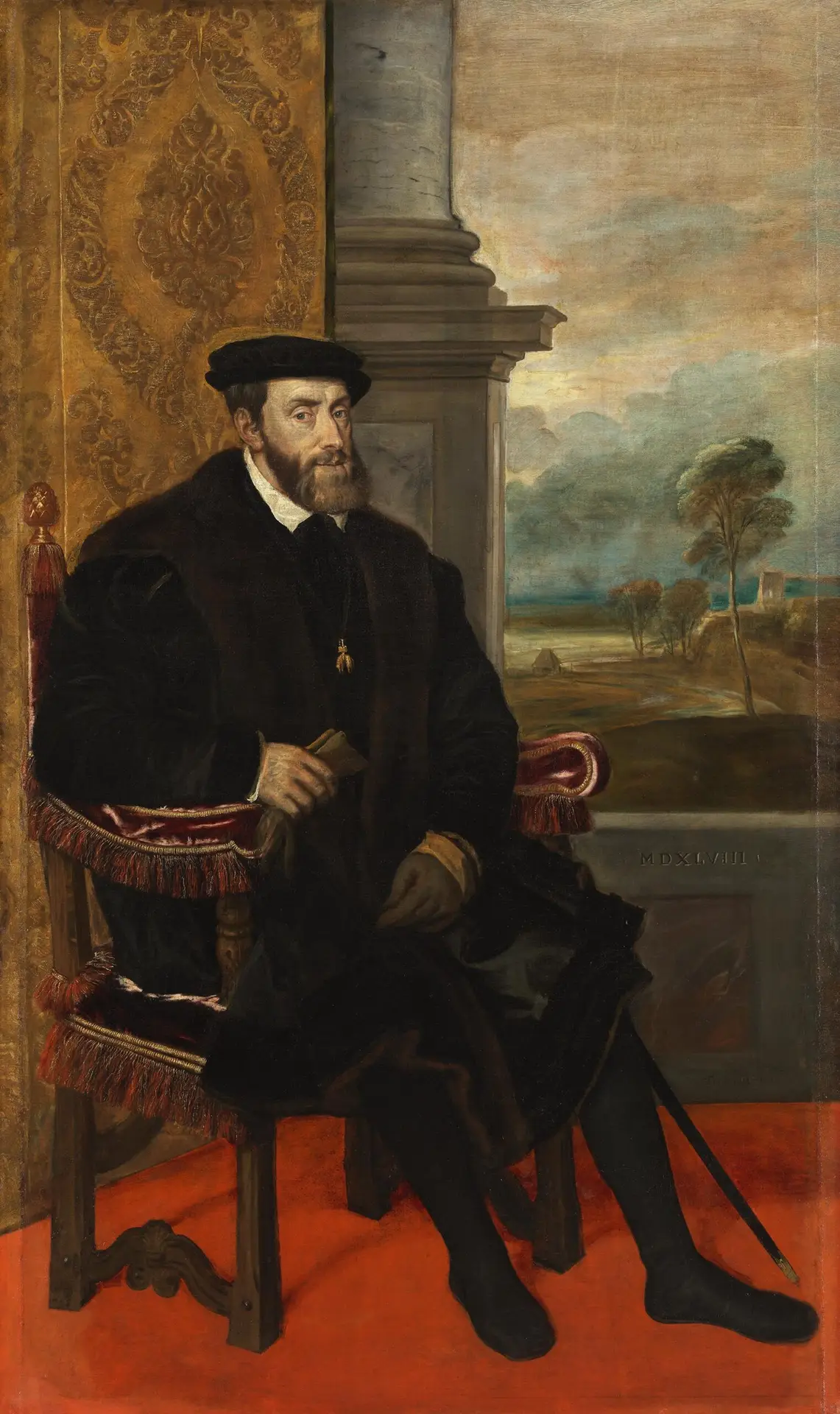
In 1539 Ghent refused a tax. Ghent was a great cloth city with old liberties and a long memory, and it was also the town where Charles had been born.
He came in person. On 14 February 1540 he entered his birthplace with something like five thousand troops. He revoked the city's privileges, executed the ringleaders, fined it eight thousand guilders and took away its weapons. In April the Concessio Carolina stripped Ghent of the legal and political freedoms it had held since the Middle Ages, and a citadel was built to make the point permanent.
Nineteen years earlier the Castilian towns had made the same argument in arms, and had been destroyed for it at Villalar.
Nobody chose to join his empire, and nobody could leave it.
The sentence this site keeps beside every claim made for himThis is why the page has not been arranged to flatter. An empire that consults its provinces about taxes and razes their liberties when they answer wrongly is a genuinely interesting thing to have existed. It is not a kind thing, and pretending otherwise would make everything else here worth less.
What the empire did to people
The site's standing rule is that the dark side goes on the same panel as everything else, not in a room of its own at the back.
In the Americas. This was the empire of the encomienda, of the silver of Potosí worked under the mita, and of the asiento — the licensed traffic in enslaved people. In 1542 the New Laws were issued to restrain the worst of it. Under pressure from the colonists they were substantially rolled back. In 1550 and 1551, at Charles's own instance, Las Casas and Sepúlveda argued the question of conquest and human status before a junta at Valladolid. That the debate happened at all is to his credit. That it changed so little is not.
In Europe. His was an insistence on one religion wherever he had the power to insist. The placards, the Netherlands Inquisition of 1523, the first Protestant executions in Brussels the same year, the Bloedplakkaat of 1550. He accepted the coexistence of two confessions only at Augsburg in 1555, when military defeat left him nothing else — and he would not put his name to the settlement.
He was not a monster and he was not a liberal. He was a sixteenth-century Catholic prince with more power than the century knew what to do with, and both those sentences have to stand together.
Brussels · October 1555
Giving it away
He was fifty-five and looked far older. The gout had reached the point where he had to be carried. And in the great hall of the Coudenberg palace in Brussels he stood up in front of the assembled States and gave the Low Countries to his son Philip.
Spain followed in January 1556. The imperial title went to his brother Ferdinand, whose family already had Austria.
Which is the quiet, enormous fact of his life. The empire did not survive him by a single day. It had no common citizenship, no common law, no common budget, no continuing legal personality apart from the man. When he let go, it came apart along the seam he had cut himself: Spain and the Low Countries to one line, Austria and the Empire to the other.
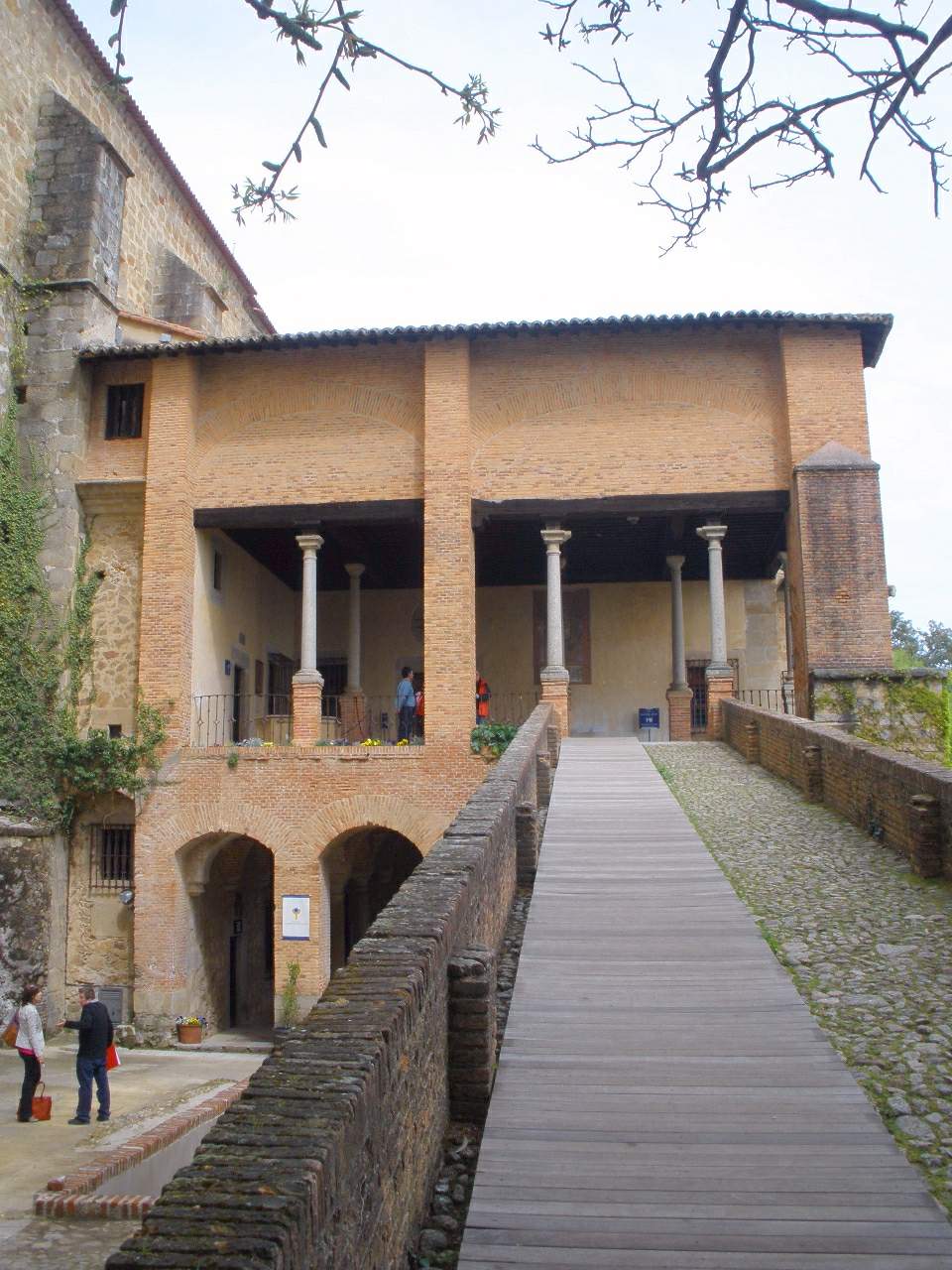
He then sailed for Spain and went to Yuste, to a house built against the wall of a monastery, with a garden, a view, an extraordinary collection of clocks, and a cook. He died there on 21 September 1558.
- Was Charles V the first European? The argument in full — who makes it, what it gets right, and the one objection that cannot be answered. Longer, and worth it.
- John of Austria His son, born at Regensburg in 1547 and raised without being told who he was. Lepanto, Tunis, and the Netherlands.
- The funeral he is said to have attended The strangest story told about him, at Yuste in 1558 — and what the record actually shows.
Where this page comes from
- J. H. Elliott, "A Europe of Composite Monarchies", Past & Present 137 (1992) — the frame used throughout the middle of this page.
- Geoffrey Parker, Emperor: A New Life of Charles V (Yale, 2019).
- James D. Tracy, Emperor Charles V, Impresario of War (Cambridge, 2002).
- H. G. Koenigsberger, Monarchies, States Generals and Parliaments (Cambridge, 2001).
- The dates of the collateral councils, the Transaction of Augsburg, the Pragmatic Sanction, the Concessio Carolina and the Valladolid debate are the standard ones and are not in dispute.