History · 1556 to 1700
Spain, the Netherlands and the parting
The half of the house this family comes from
After 1556 there are two houses carrying one name. This page follows the western one: Spain, the Low Countries, and the long war between them. It is the half this family descends from.
Philip II, and a country he did not understand
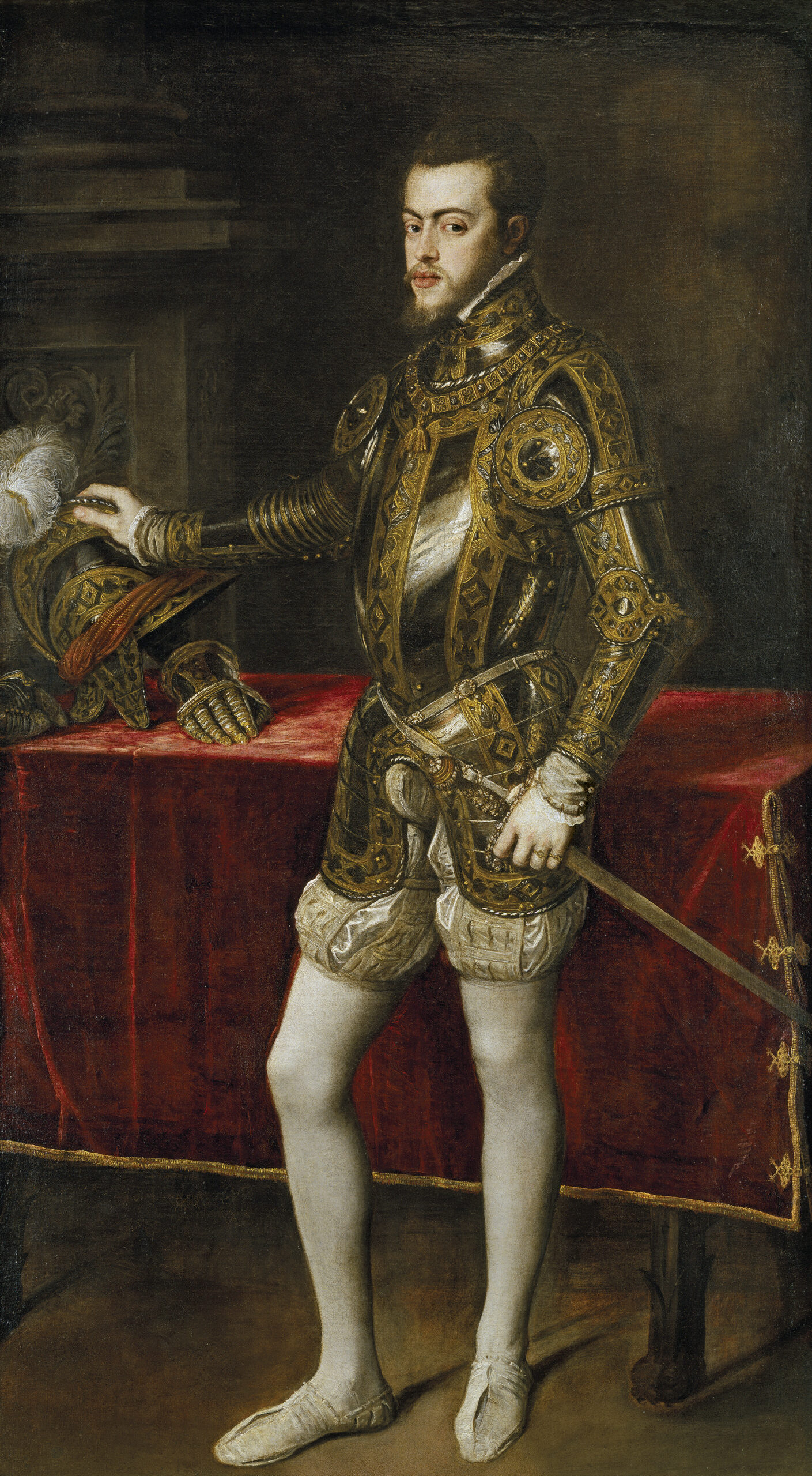
Philip II inherited Spain, the Low Countries, Italy and the Americas in 1556. Unlike his father he was Spanish by upbringing and instinct, and after 1559 he never left the Iberian peninsula again. He governed the Netherlands — nine hundred miles away, commercially sophisticated, and increasingly Protestant — through governors and through paper.
From 1568 the Low Countries were in revolt. The war that followed lasted, with truces, until 1648. It was fought over taxation, over local privilege, and over religion, and by the end of it the northern provinces were an independent republic and the southern ones were not.
John of Austria
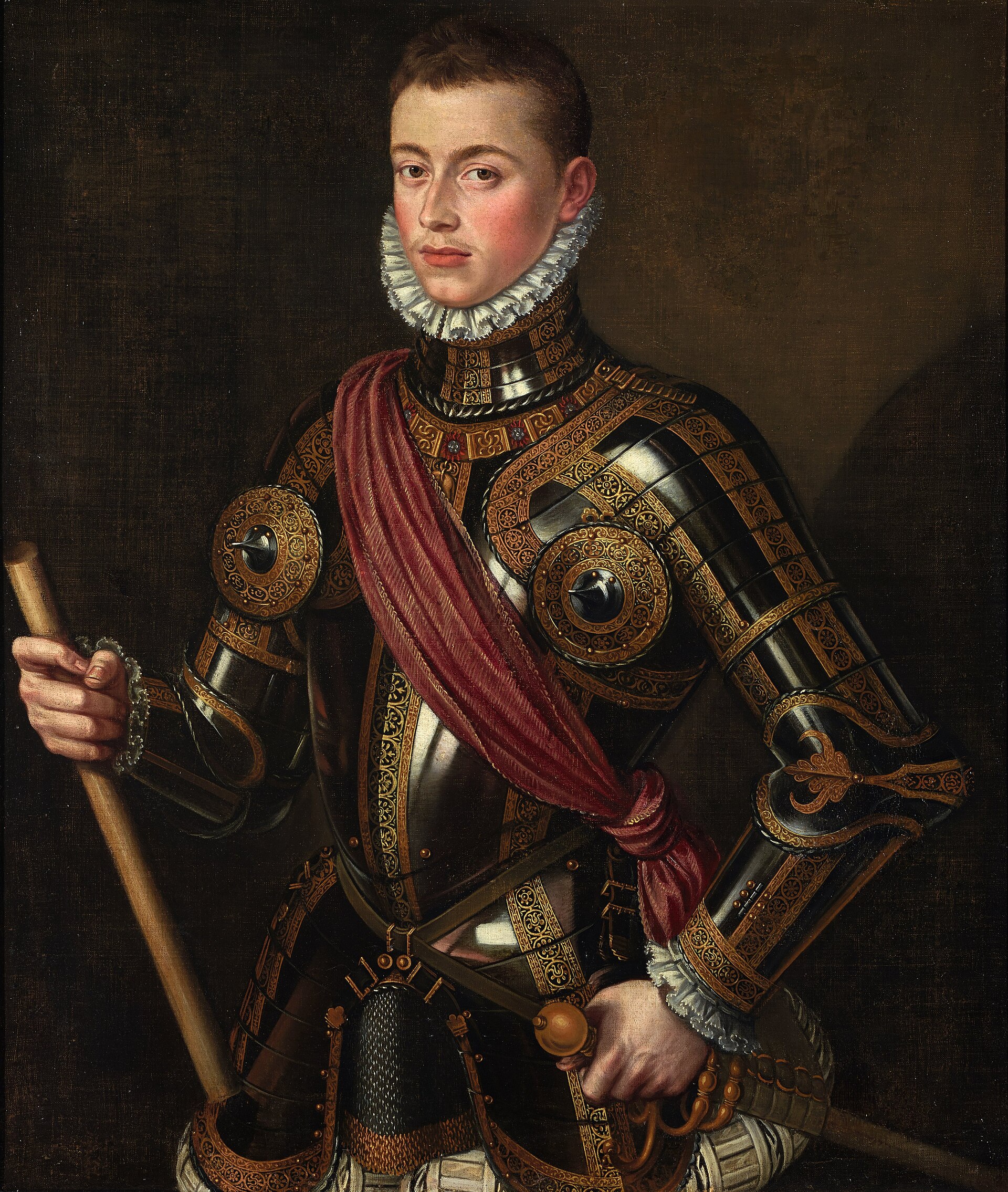
In 1547, at Regensburg, Charles V had a son by Barbara Blomberg. The boy was brought up quietly in Spain, well away from the court. Charles acknowledged him in the codicil to his will; in 1559 Philip II received him into the House of Austria and gave him its name. He became John of Austria.
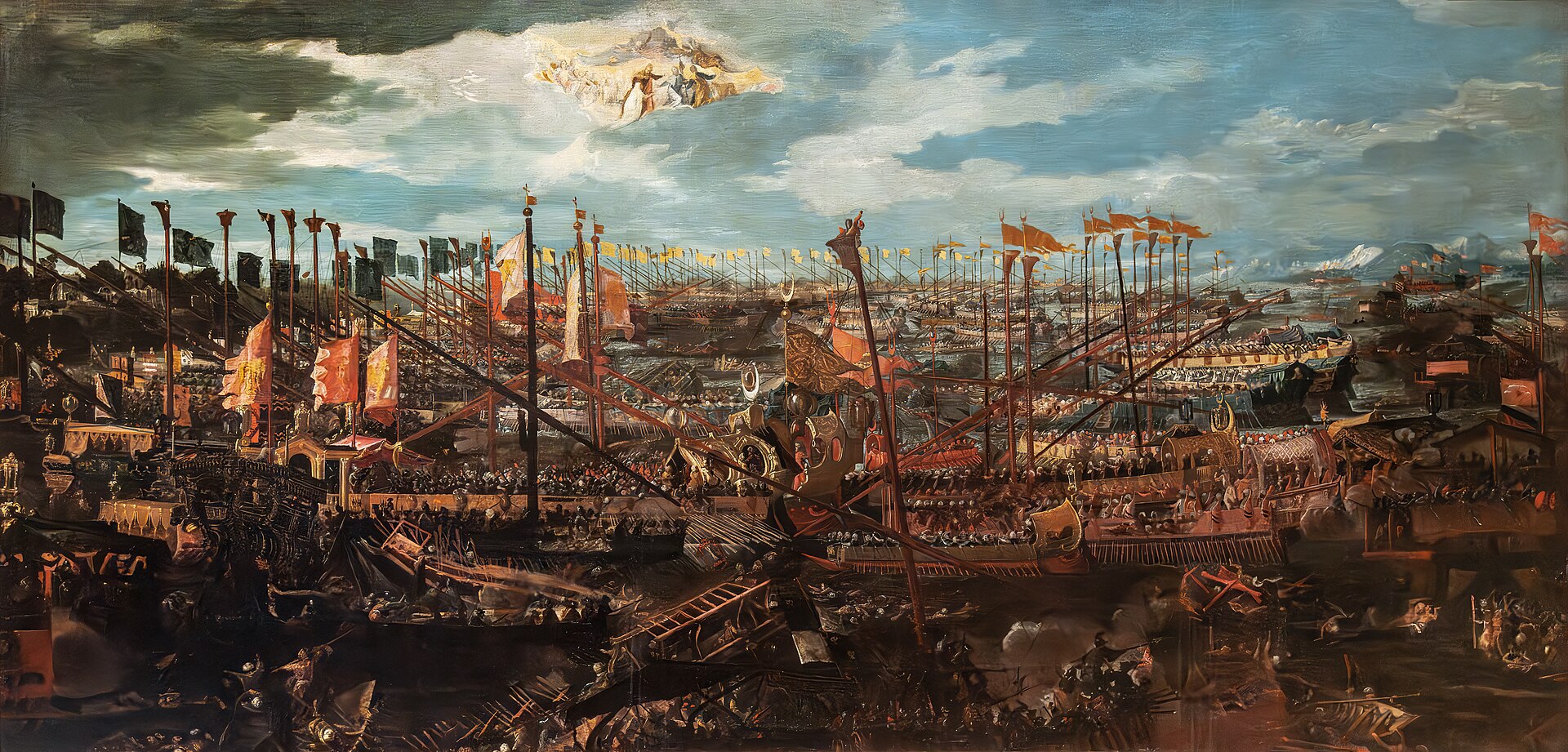
He commanded the fleet of the Holy League at Lepanto on 7 October 1571, in the largest galley battle ever fought, and he was Governor-General of the Netherlands from 1576 until his death near Namur on 1 October 1578. He was thirty-one.
The family descends from him through his son Johannes, born in 1576. His life is set out on its own page.
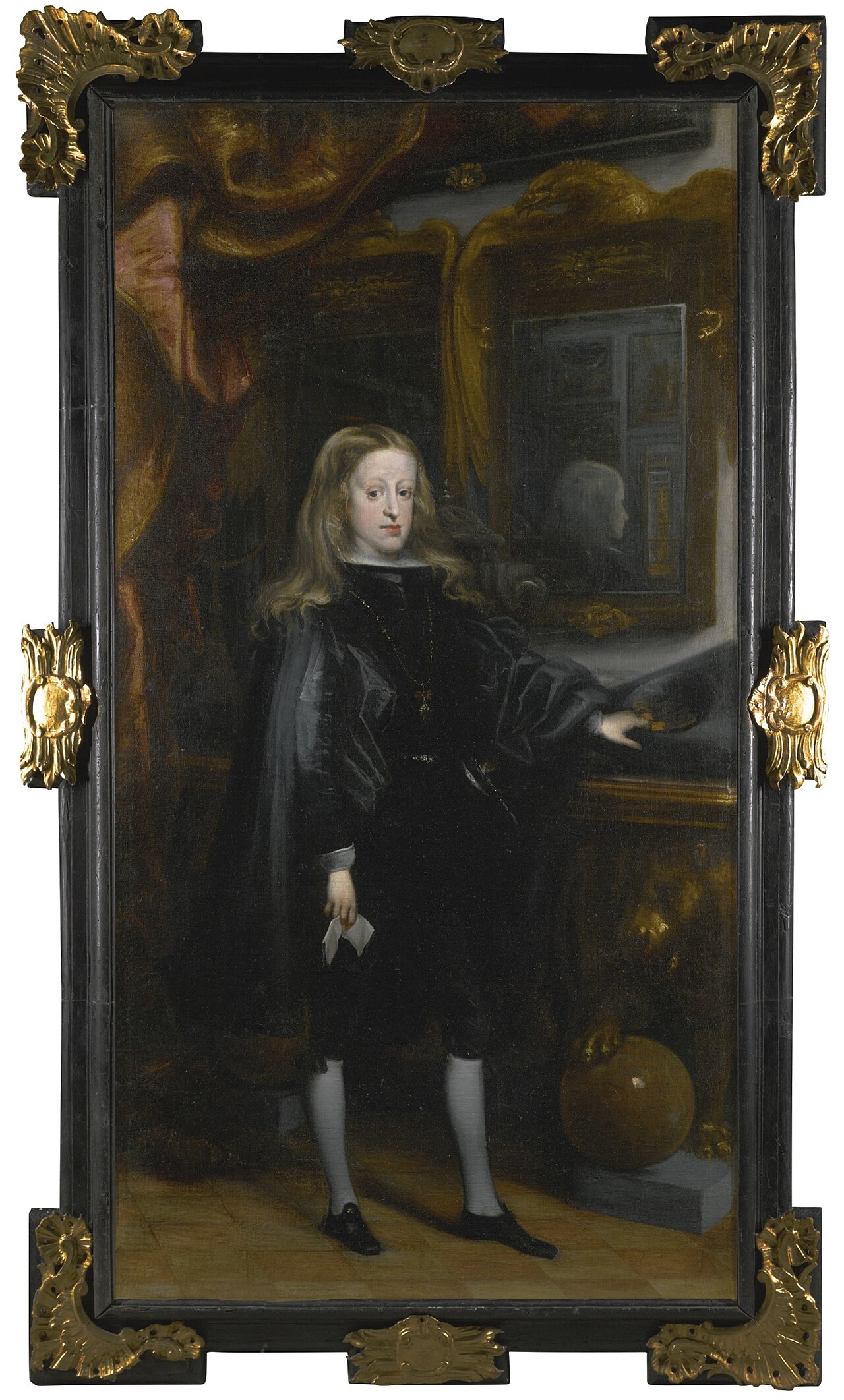
A dynasty that married itself
The Spanish Habsburgs married their own relatives with a persistence that is difficult to look at squarely. Philip II married his niece; Philip IV married his niece. Over five generations the family tree stops widening and starts folding back on itself.
The last Spanish Habsburg king, Charles II, was severely disabled from birth, in near-constant ill health, and unable to father a child. He died on 1 November 1700, and the male line of the Spanish Habsburgs died with him. The war that followed over who should inherit Spain lasted thirteen years and involved most of Europe.
Historian’s note
The genetic explanation for the end of the Spanish line is well established and is set out on its own page. It is a matter of record and it is treated here as one — with sympathy for the people who lived it, who did not choose the marriages that made them.
From John of Austria to today
From John of Austria the line runs through his son Johannes and the generations that followed him in the Low Countries to the family living now. That is what the rest of this site is about.
- John of Austria
Regensburg, Yuste, Lepanto, Namur — and the point from which this family’s line runs. - The Quiet Centuries
The Dutch Republic, and the river country the family made its home. - The Habsburg jaw
What five generations of cousin marriage actually did, and what the science says.
Sources
- Sir William Stirling-Maxwell, Don John of Austria, or Passages from the History of the Sixteenth Century, 1547–1578, 2 vols (Longmans, Green & Co., London, 1883).
- Geoffrey Parker, The Dutch Revolt (Penguin, revised edition 1985).
- Henry Kamen, Philip of Spain (Yale University Press, 1997).
- R. J. W. Evans, The Making of the Habsburg Monarchy 1550–1700 (Oxford University Press, 1979).
- G. Alvarez, F. C. Ceballos and C. Quinteiro, ‘The Role of Inbreeding in the Extinction of a European Royal Dynasty’, PLoS ONE 4(4), 2009.