Sixteenth century, mostly
Women of the House
The ones who actually governed
For the better part of sixty years the Habsburg Netherlands was governed by women. Not as consorts, not as figureheads, not while somebody else did the work. As governors, with the seal, signing the orders.
And one of them did something so unlikely that people who have not met the evidence tend to assume it is a story. It is not a story. There is correspondence.
Mechelen · 1507 to 1530
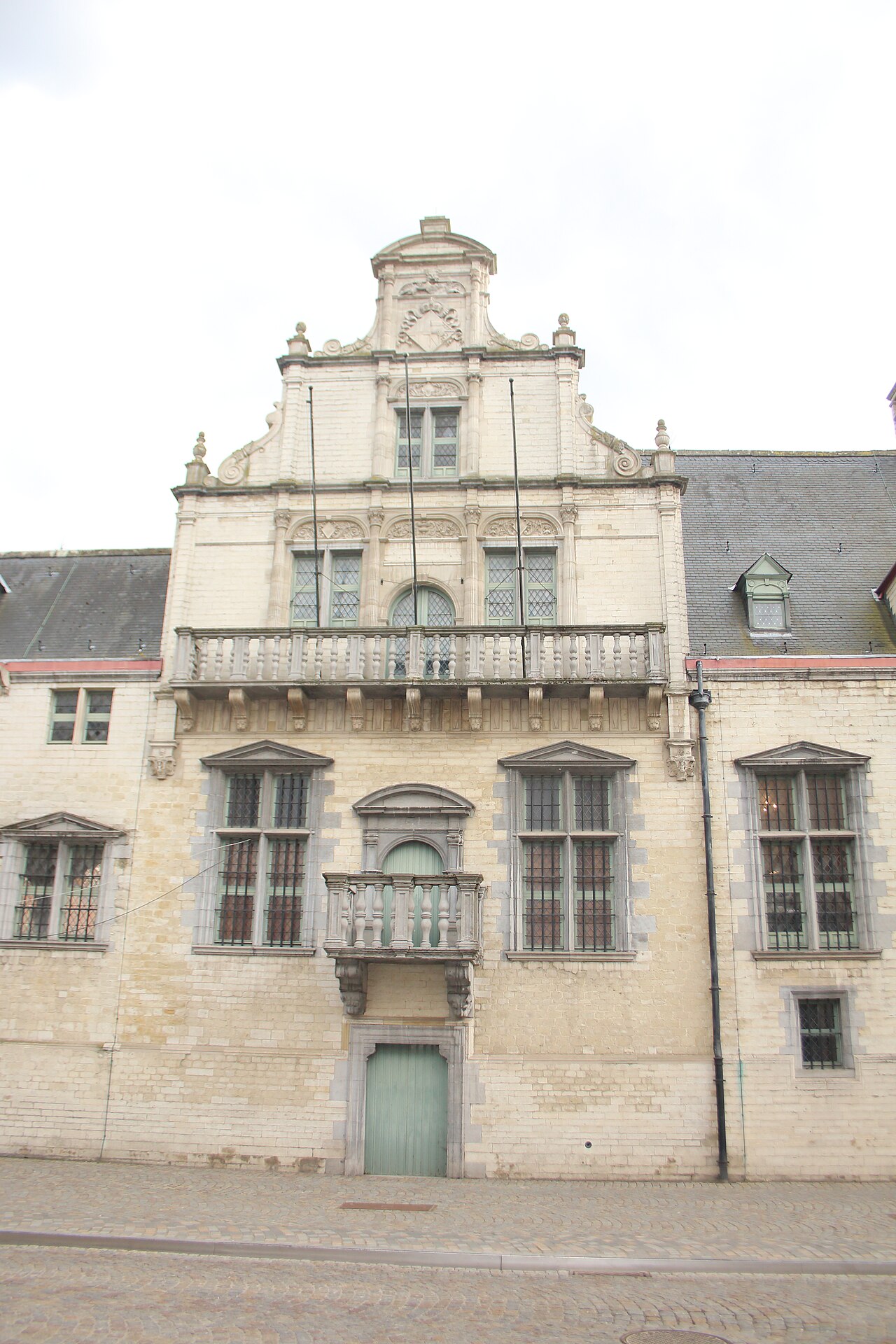
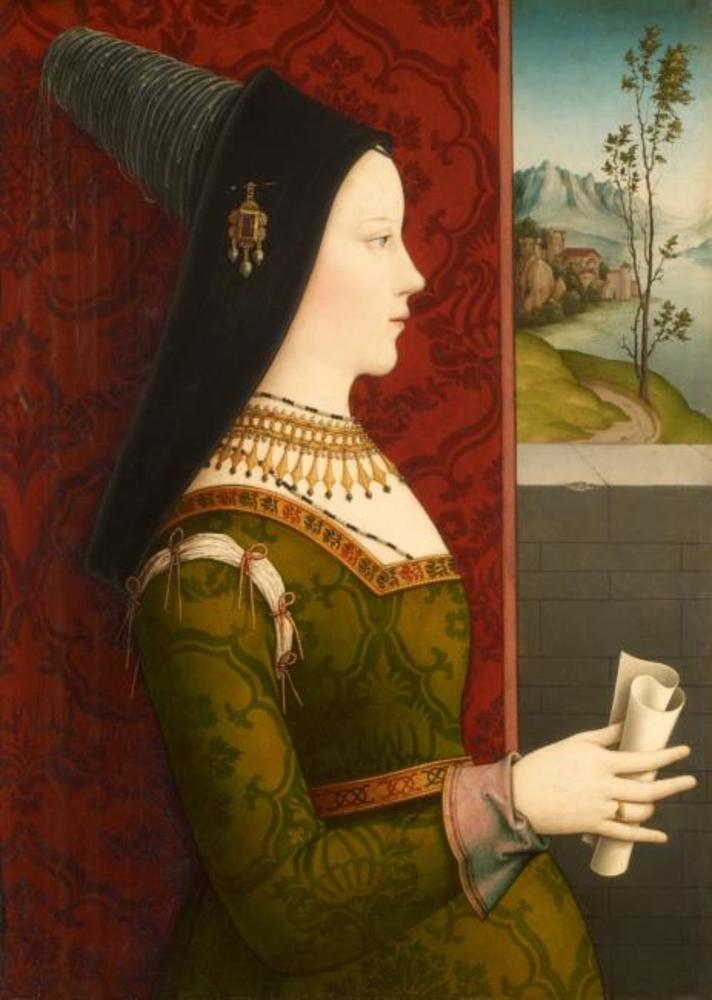
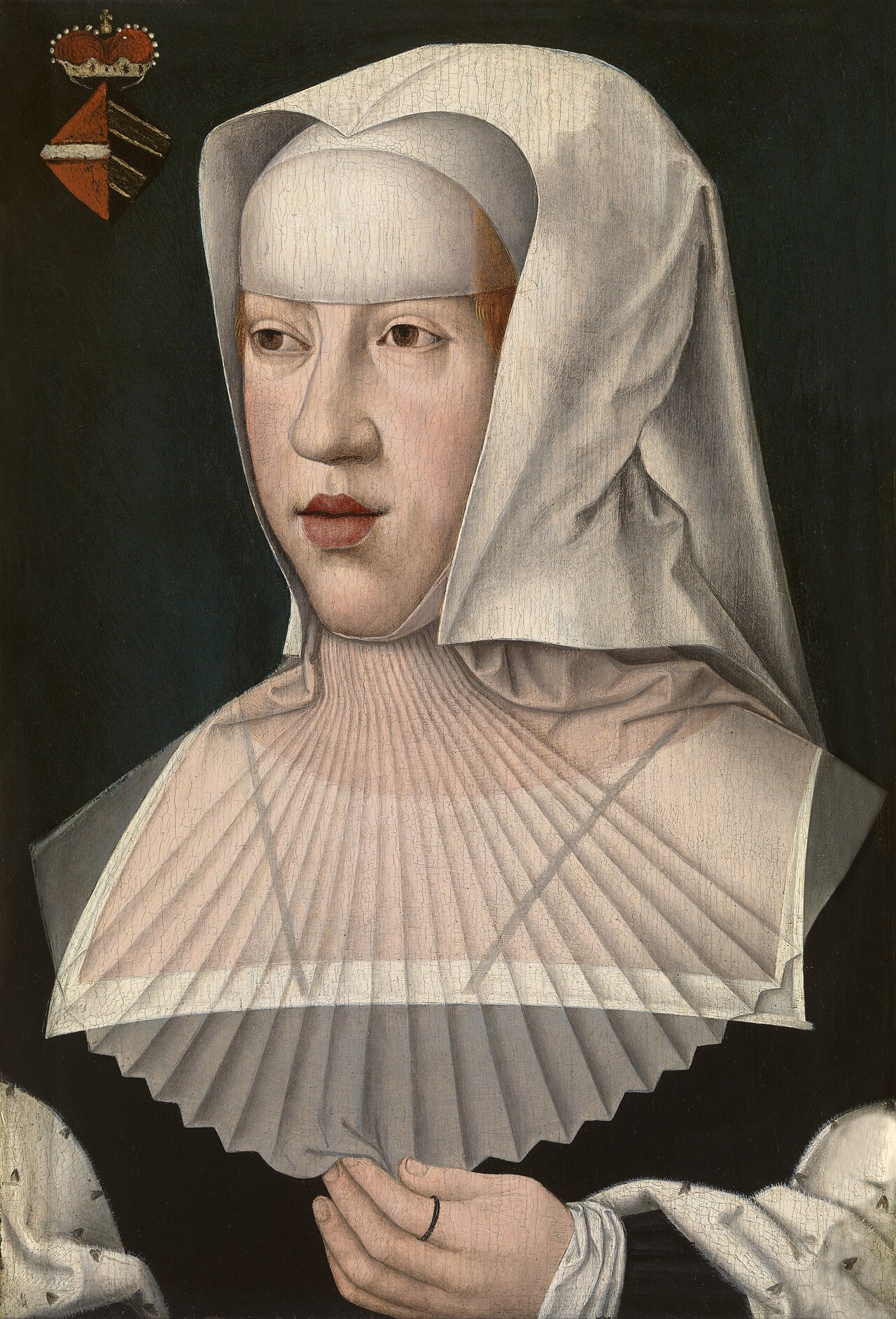
Margaret of Austria, who made peace with another woman
Maximilian I appointed his daughter Margaret regent of the Netherlands in 1507, and she governed — with one interruption — until her death in 1530. Under her the Habsburg hold on the Low Countries hardened: Friesland subdued, the Utrecht lands annexed in 1528.
But the thing worth stopping for happened at Cambrai in 1529. Margaret represented the Emperor. Louise of Savoy represented the King of France. The two women negotiated, and settled, a war between two absent men. Europe called it the Ladies' Peace, and it held.
Her court at Mechelen was where the next generation of rulers was raised and finished, and she is remembered as an alarming opponent at the card table as well as across a treaty — a woman who could bluff a visiting ambassador at cards in the evening and out-negotiate him in the morning.
She also raised the orphaned boy who became Charles V. He was six when his father died and his mother was removed from power, and Mechelen is where he grew up.
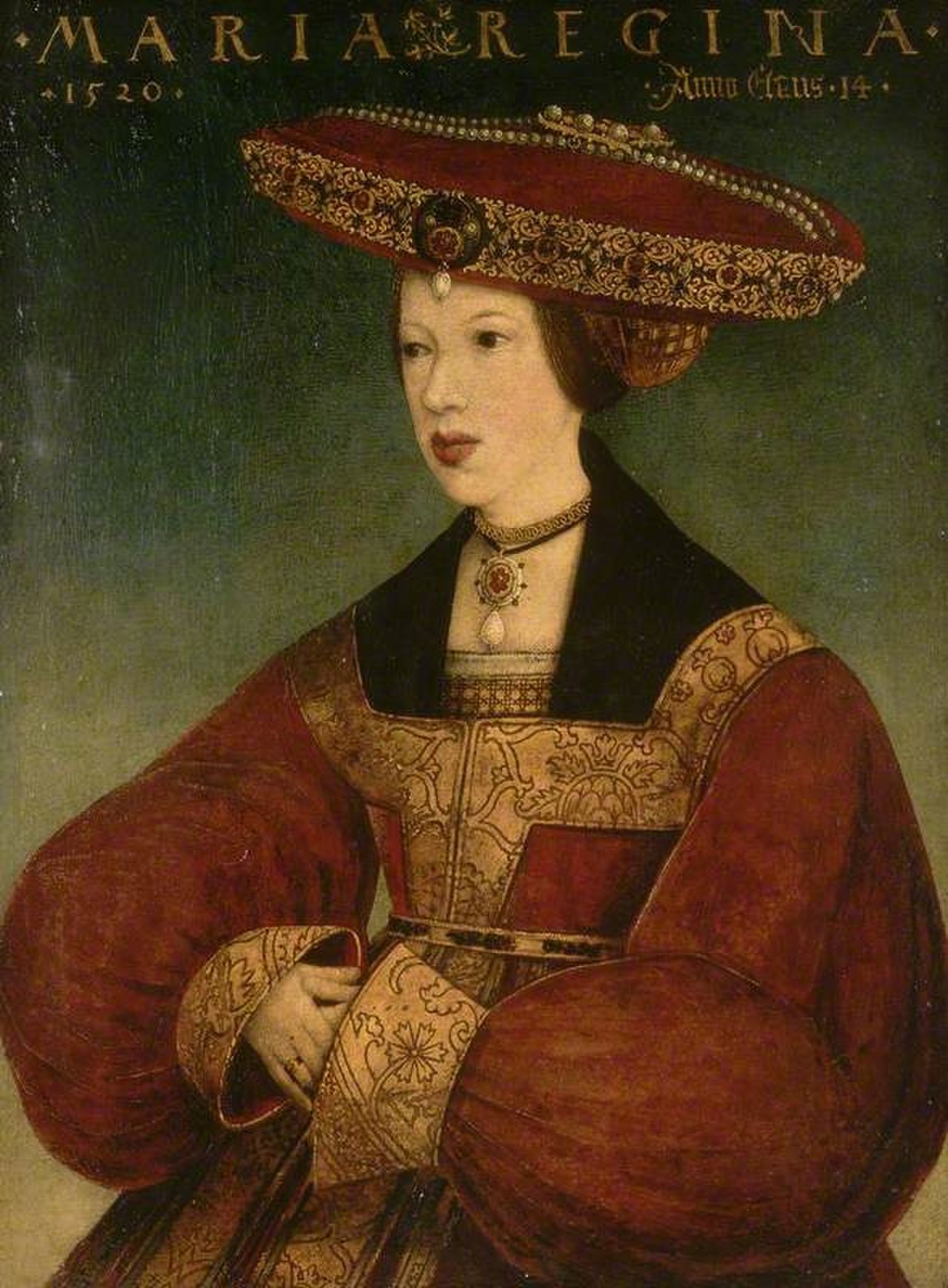
Brussels · 1531 to 1555
Mary of Hungary, who kept asking to be allowed to stop
Widowed at Mohács in 1526 at the age of twenty-one, she governed Hungary, and then from 1531 succeeded Margaret in the Netherlands and governed there for twenty-four years.
She is generally judged the ablest of them all. She asked repeatedly to be released from the post. Her brothers would not let her go, for the entirely straightforward reason that she was extremely good at it and they knew it. She was released only when Charles himself gave everything up in 1555, and she left with him.
She was also one of the great collectors of the Renaissance, and a serious patron of Titian. The inventory taken after her death in 1558 lists thirty-eight tapestry series running to more than two hundred and fifty pieces — a collection assembled with a governor's eye and a governor's budget, by somebody who had been trying to resign for two decades.
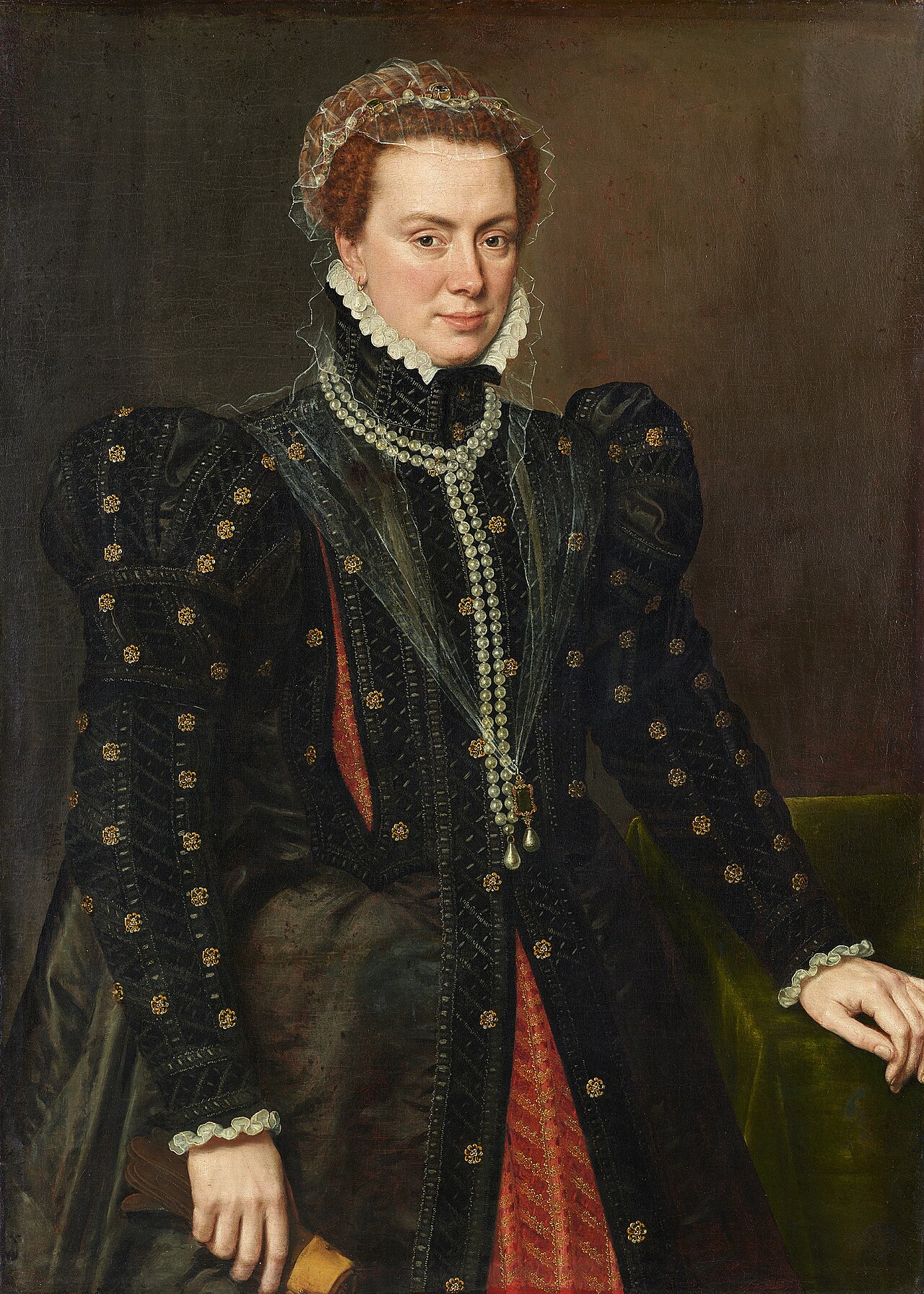
Brussels · 1559 to 1567
Margaret of Parma, and what this family did with its natural children
She was Charles V's daughter by Johanna van der Gheenst, recognised in 1529, and she governed the Netherlands for eight years from 1559 — including through 1566, the year the storm broke.
Set that beside what the same Emperor arranged for his son John of Austria, and a pattern comes into focus that is unusual for the period and is worth naming plainly: this family gave real power, and real careers, to children born outside marriage. Not a pension and a discreet estate. A province to govern. A fleet to command.
Rome and Valladolid · October 1554
Juana de Austria, who joined the Jesuits under a man's name
Charles V's younger daughter. Widowed at nineteen. Regent of Spain from 1554 to 1559, governing the whole monarchy while her brother Philip was abroad. Founder of the convent of Las Descalzas Reales in Madrid, which is still there and is still extraordinary.
And the only woman ever admitted to the Society of Jesus.
The Jesuits were, and are, an order of men. Juana wanted in. In October 1554 Ignatius Loyola himself convened a consultation in Rome on what to do about her, and the answer they arrived at was to admit her — quietly, absolutely secretly, and under a male alias. In the surviving correspondence she is Mateo Sánchez.
The part that shows how carefully it was done
She was admitted as a scholastic, with simple perpetual vows, rather than as a solemnly professed member. That was not a lesser consolation prize. It was engineering.
Solemn vows would have made her legally dead to the world and unable to marry — and Juana was a Habsburg princess of marriageable age whose hand was an instrument of state. Scholastic vows were terminable. They found her a form of membership that was real and that could be undone if the dynasty needed her.
The secrecy was total. It was reportedly kept even from Philip II.
This is not a legend and it is not a modern reinterpretation. It rests on the Jesuits' own surviving correspondence, and Jesuit institutions and academic publishers treat it as established.
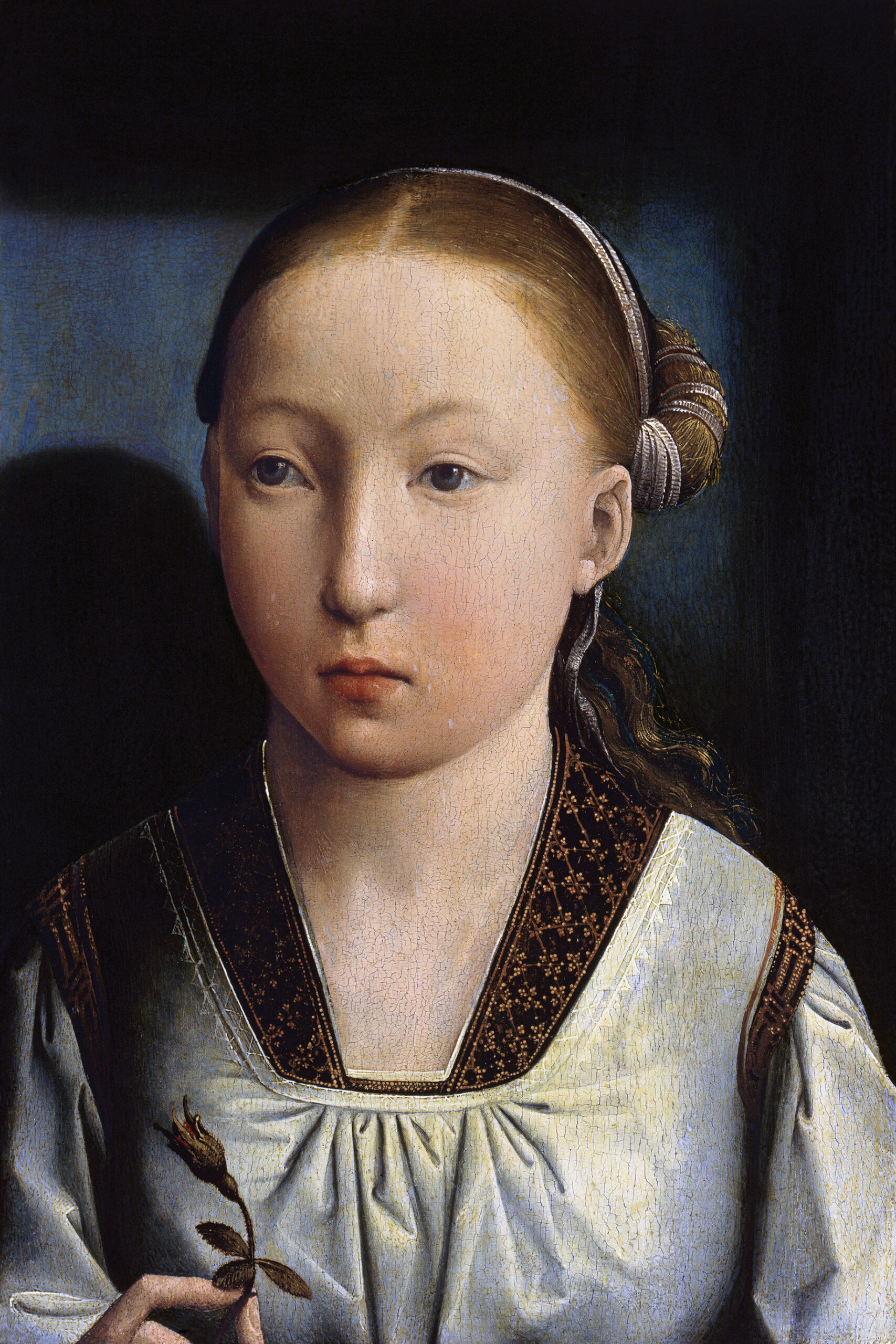
The strangest thing in this family's sixteenth century
Follow Juana a little further and the whole century closes into a circle.
Her son was Sebastian, King of Portugal, who rode into Morocco in 1578 and was lost at Alcácer-Quibir at twenty-four. His body never came back in a way anybody could be certain of, and Portugal spent the next twenty years half-expecting him to walk in.
Several men obliged. The most famous of them was a pastry-cook called Gabriel de Espinosa, coached by an exiled friar, who was believed by — among others — a nun at the convent of Madrigal de las Altas Torres.
That nun was María Ana de Austria, the daughter of John of Austria. And after her father died, she had been placed for seven years in the care of Magdalena de Ulloa — the woman who had raised John of Austria himself.
Juana, her son, her nephew, her nephew's daughter, and the woman who brought him up. The whole affair happens inside one family.
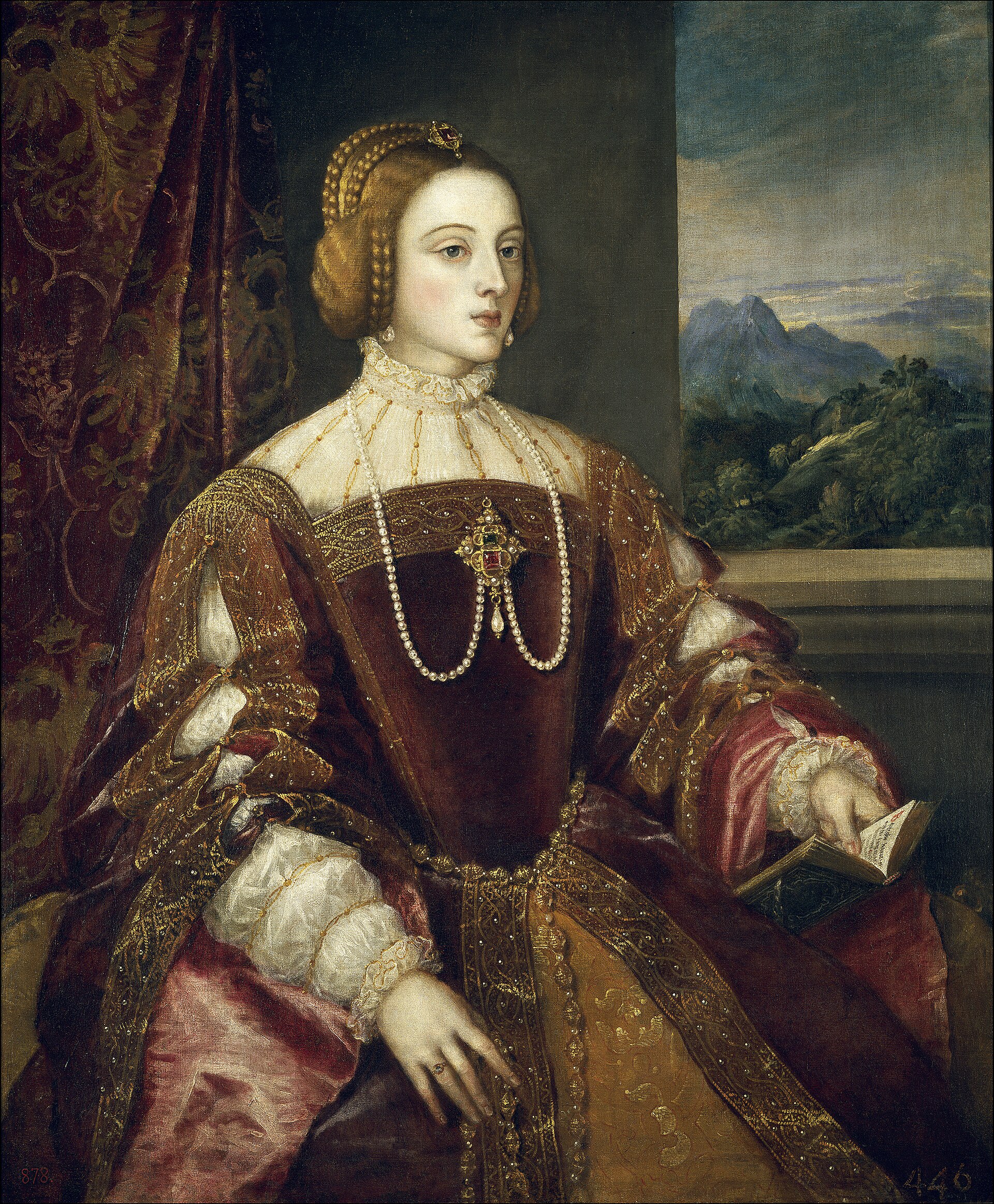
And the women who raised them
Three of the most consequential figures in this story never governed anything.
- Margaret of Austria took in her orphaned nephew and turned Mechelen into the place he was made.
- Magdalena de Ulloa, at Villagarcía de Campos, taught John of Austria his Latin and his French and read him chivalric romances while her husband taught him to ride. She and Luis de Quijada had no children of their own. Spanish scholarship remembers her simply as the woman who educated John of Austria, and she later founded a college.
- Leonor de Mascareñas raised Juana de Austria after the Empress died, having already been governess to the future Philip II. She knew Ignatius Loyola and she knew Teresa of Ávila, and she founded a convent of her own in Madrid.
A reflection of this family's own — not a finding of scholarship
It is hard not to notice that the Emperor who was himself raised away from his parents chose exactly the same course for his son. That is a thought, and this site offers it as one. No contemporary witness and no modern historian draws that line.
The plainer reading is at least as strong, and belongs here beside it: placing royal and illegitimate children with trusted households was simply how this dynasty did things — Margaret with Charles, Quijada and Ulloa with John of Austria, Mascareñas with Juana. On that reading it needs no explanation from anybody's childhood at all.
The other thread
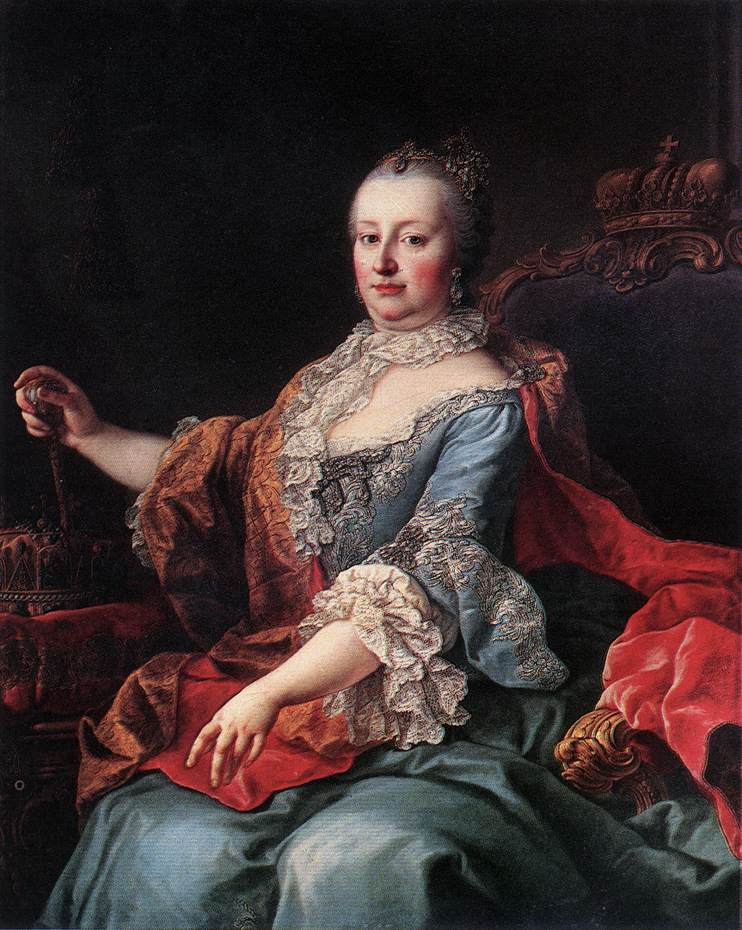
After 1740 the name changes and the story continues under Habsburg-Lorraine, where the pattern of formidable women carries straight on. Maria Theresa was sovereign in her own right of the whole inheritance and held the real power while her husband held the imperial title. Her daughter Maria Carolina, by a clause written into her own marriage contract, took a seat on the council of state at Naples and became the effective ruler of a kingdom.
They are not this branch's story to tell, and they have their own page here, told with respect.
- The Madrigal affair, in full The pastry-cook, the friar, the nun and the king who did not come back.
- John of Austria Raised by Magdalena de Ulloa, and never told why.
- The Habsburg-Lorraine line Two threads, one ancient name — where Maria Theresa's story goes.
Where this page comes from
- Noelia García Pérez (ed.), Mary of Hungary, Renaissance Patron and Collector (Brepols, 2020), including chapters by Annemarie Jordan Gschwend and Miguel Falomir — for the collection and the inventory.
- Annemarie Jordan Gschwend, on the portraits and constructed public identities of these women.
- The Jesuit correspondence on Juana's admission, and the scholarly treatment of it in The Jesuits II; Jesuit institutions treat the episode as established.
- Camilo María Abad, Doña Magdalena de Ulloa (Universidad Pontificia de Comillas, Santander, 1959) — the standard study.
- Carlos Robles do Campo, Real Academia Matritense de Heráldica y Genealogía (2004) — for María Ana.
- The dates of the regencies, the Ladies' Peace of 1529 and Alcácer-Quibir (4 August 1578) are the standard ones.