The Low Countries · after 1585
The Quiet Centuries
The Low Countries after the empire, and the country the family made its home
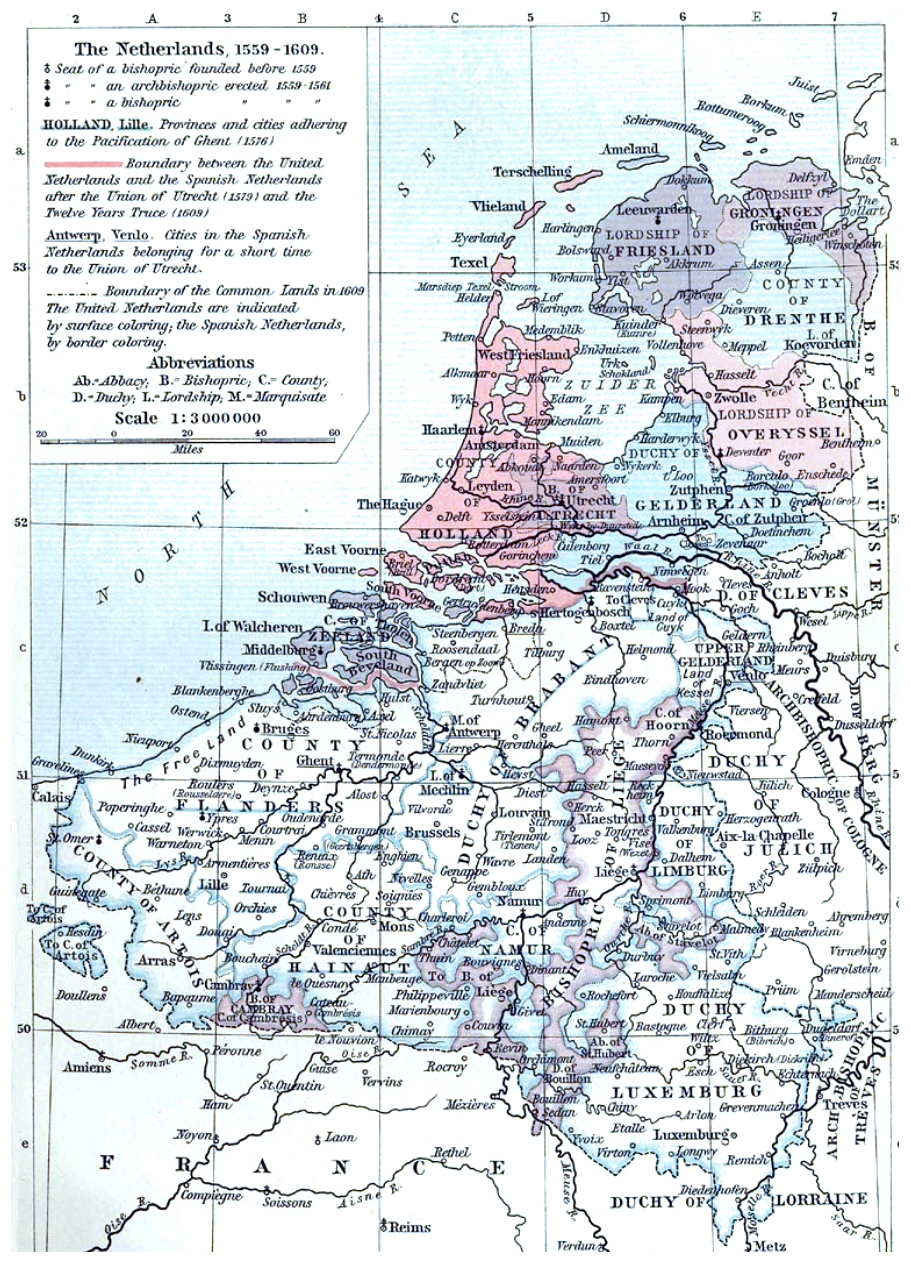
From the end of the sixteenth century the family’s story runs through the Low Countries: the revolt, the Republic that came out of it, and the river country between the Lek and the Linge where the family made its home.
This page is about that country: how it came apart, how it was governed afterwards, and how it lived with its religious divisions.
The war that split a country in half
It began as an argument about tax and privileges, not about God. The grievances of the 1560s were constitutional: troops kept in the country after the fighting had stopped, a reorganisation of the bishoprics, a government run from a distance by men nobody had chosen, and money. Alba's Tenth Penny — a permanent ten per cent tax on sales, announced in 1569 and enforced from 1571 — did more to turn a suppressed revolt into a general one than any sermon.
But religion was not a pretext. That reading does not survive contact with the evidence. The Beeldenstorm of 1566, which began at Steenvoorde in August and swept north through the churches, was a real popular movement. The executions for heresy under the placards were real. And Calvinism supplied the organisation that kept the revolt alive through the 1570s.
Both things are true at once, and the interesting history is in how they worked on each other.
The short chronology, for orientation
1 April 1572 — the Sea Beggars take Brielle, and towns across Holland and Zeeland go over. Two provinces carry the revolt for years; it is not yet a national rising.
8 November 1576 — the Pacification of Ghent briefly bridges the whole country. February 1577 — John of Austria, newly arrived as Governor-General, signs the Perpetual Edict. It does not hold.
January 1579 — the Union of Arras on the 6th, the Union of Utrecht on the 23rd. The split is now formal.
26 July 1581 — the Act of Abjuration deposes Philip II as sovereign, on the argument that a prince who oppresses his subjects forfeits his authority.
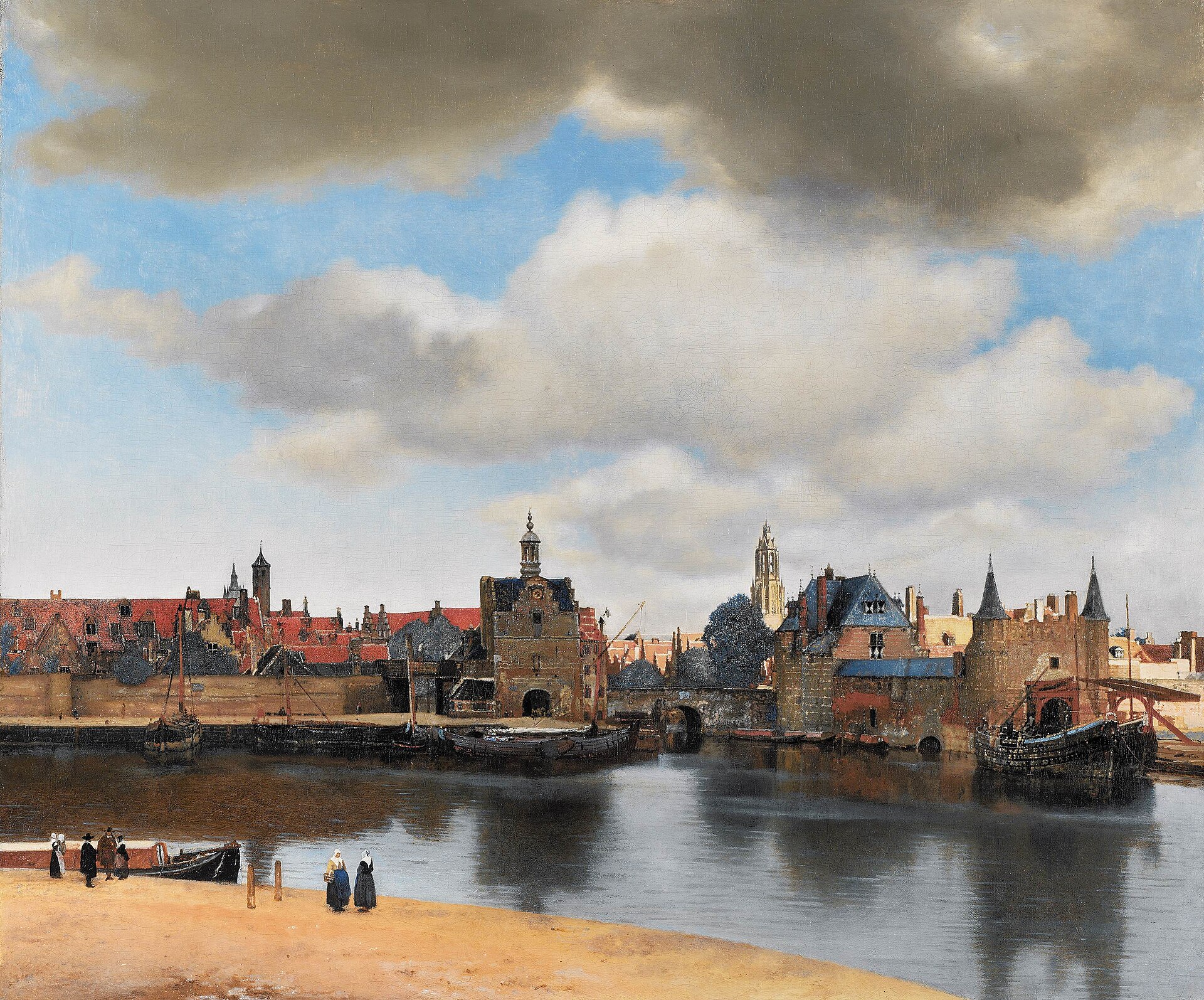
10 July 1584 — William of Orange is assassinated at Delft. 17 August 1585 — Antwerp falls to Parma, and tens of thousands leave the south.
30 January 1648 — the Peace of Münster. The Republic is independent, and the Scheldt is closed to Antwerp's trade to Amsterdam's benefit.
Why the line fell where it did is the great question of the subject, and the answer that has held up longest is Pieter Geyl's: the rivers. Not nation, not creed — geography. The great river barrier gave the revolt something defensible to stand behind, and Parma reconquered what lay south of it.
Being Catholic in the Republic
Here is the part that shaped everyday life for a great many families.
The Dutch Republic was, by the standards of seventeenth-century Europe, a remarkably liveable place. It was not a tolerant one in the way the tourist brochures suggest. The Reformed Church was the public church. Catholic worship was formally prohibited. Catholics — who remained a very large minority, and in some regions a majority — were shut out of public office, and lived a legal existence somewhere between forbidden and overlooked.
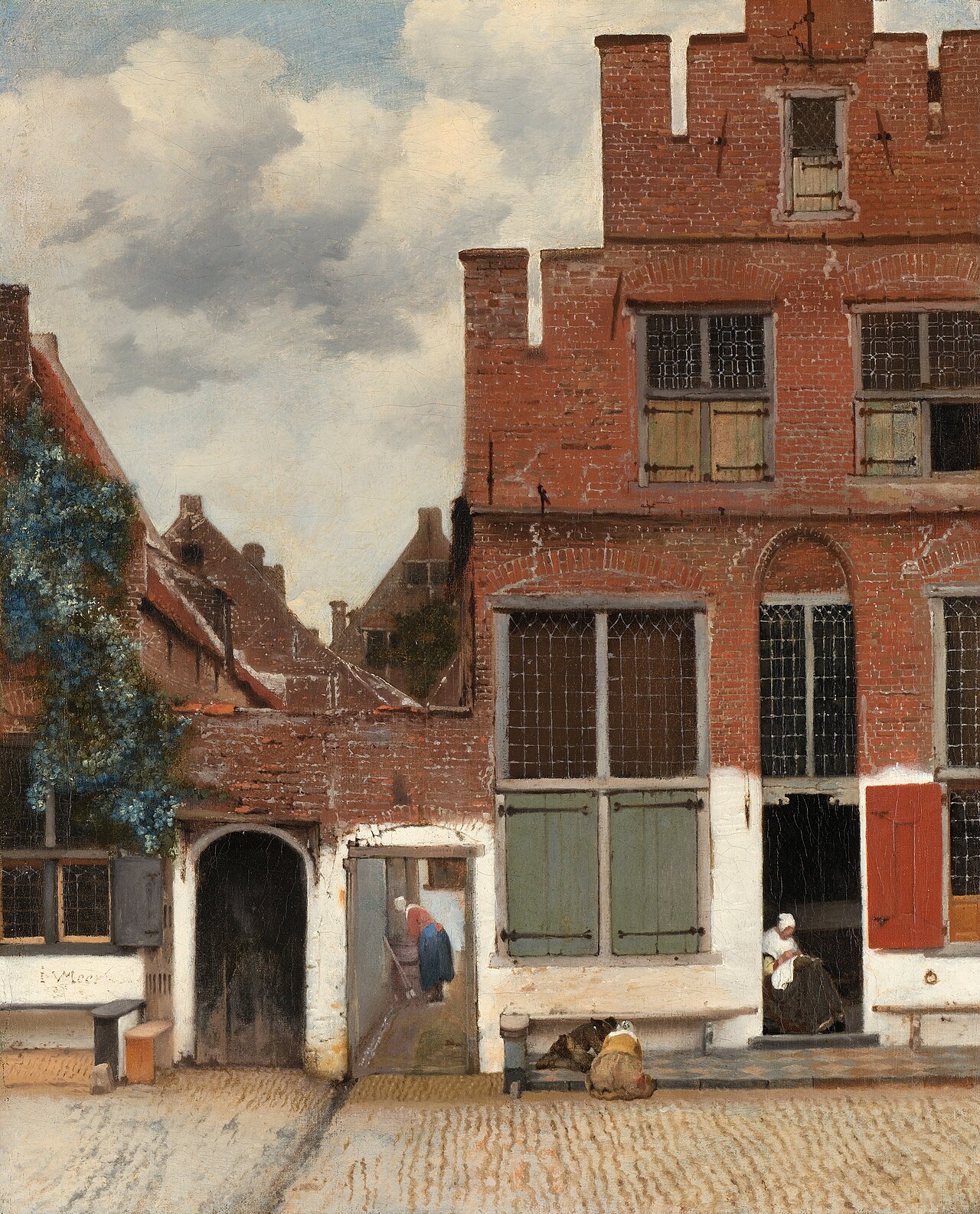
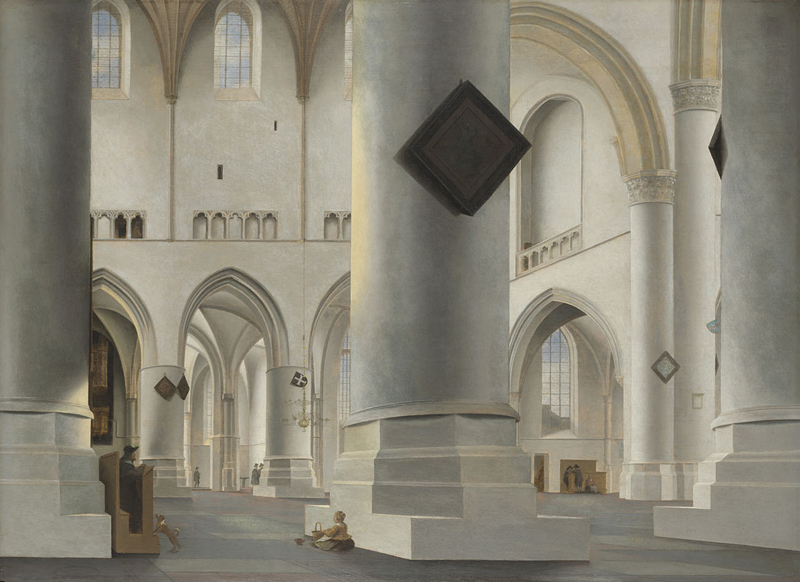
What grew up instead is one of the most quietly extraordinary things in European religious history: the schuilkerk, the hidden church. A full church — nave, gallery, organ, altar — built inside an ordinary house, or across the attics of three houses knocked together, with nothing on the street to show for it. Everyone knew. The authorities knew. It was permitted by not being seen.
You can still walk into one. Our Lord in the Attic, in Amsterdam, is a canal house with a church in the roof, and it is open to visitors.
A whole community learned to be entirely present and entirely invisible at the same time, and to pass that skill to its children.
The hidden churches of the RepublicModern scholarship — Judith Pollmann's work above all — has recovered how this felt from the inside, and it corrects the older picture badly. Catholic identity in the Republic was not a remnant waiting to die out. It was active, adaptive, organised, and it lasted.
A word about the war itself
This site does not keep a side in it.
Alba's Council of Troubles sat, and men were executed under it in the hundreds. The Spanish Fury tore through Antwerp in November 1576, and the modern reading of that is not policy but bankruptcy — an army that had gone unpaid for too long. The revolt killed and displaced people on every side of it, including a great many who never chose a side at all.
Netherlanders fought Netherlanders throughout, and the confessional line ran through provinces, through towns and through families. Some Dutch historians call it a civil war for exactly that reason, and they have a case.
We grieve all of them, and we blame none of them. It was four centuries ago and the people who fought it have been dead a long time. What survives is a border, a language and two remarkable countries.
- Heads of the House The succession itself, father to son, set out in order.
- John of Austria Governor-General of these provinces in 1577, and dead outside Namur the year before the Union of Utrecht.
- The places on the map Brielle, Leiden, Antwerp, Ghent, Gembloux, Utrecht, Delft, Münster — the whole argument, laid out on the ground it happened on.
Where this page comes from
- Judith Pollmann, Catholic Identity and the Revolt of the Netherlands (Oxford, 2011) — for the whole of the middle section.
- Pieter Geyl, The Revolt of the Netherlands 1555–1609 (1932) — for the rivers.
- Geoffrey Parker, The Dutch Revolt (1977; revised 1985), and The Army of Flanders and the Spanish Road (Cambridge, 1972) — for the mutinies and the money.
- Jonathan Israel, The Dutch Republic: Its Rise, Greatness and Fall 1477–1806 (Oxford, 1995).
- Alastair Duke, Reformation and Revolt in the Low Countries (Hambledon, 1990).
- J. J. Woltjer, Tussen vrijheidsstrijd en burgeroorlog (Balans, 1994) — for the civil-war reading.
- John Lothrop Motley's Rise of the Dutch Republic (1856) is not used here. It is magnificent and it is nineteenth-century myth-making, and this site treats it as evidence of its own age rather than as authority.