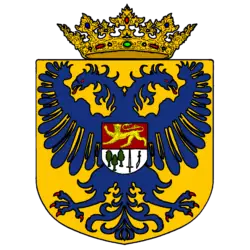
The Emperor's son · 1547–1578
John of Austria
A prince of the Imperial House
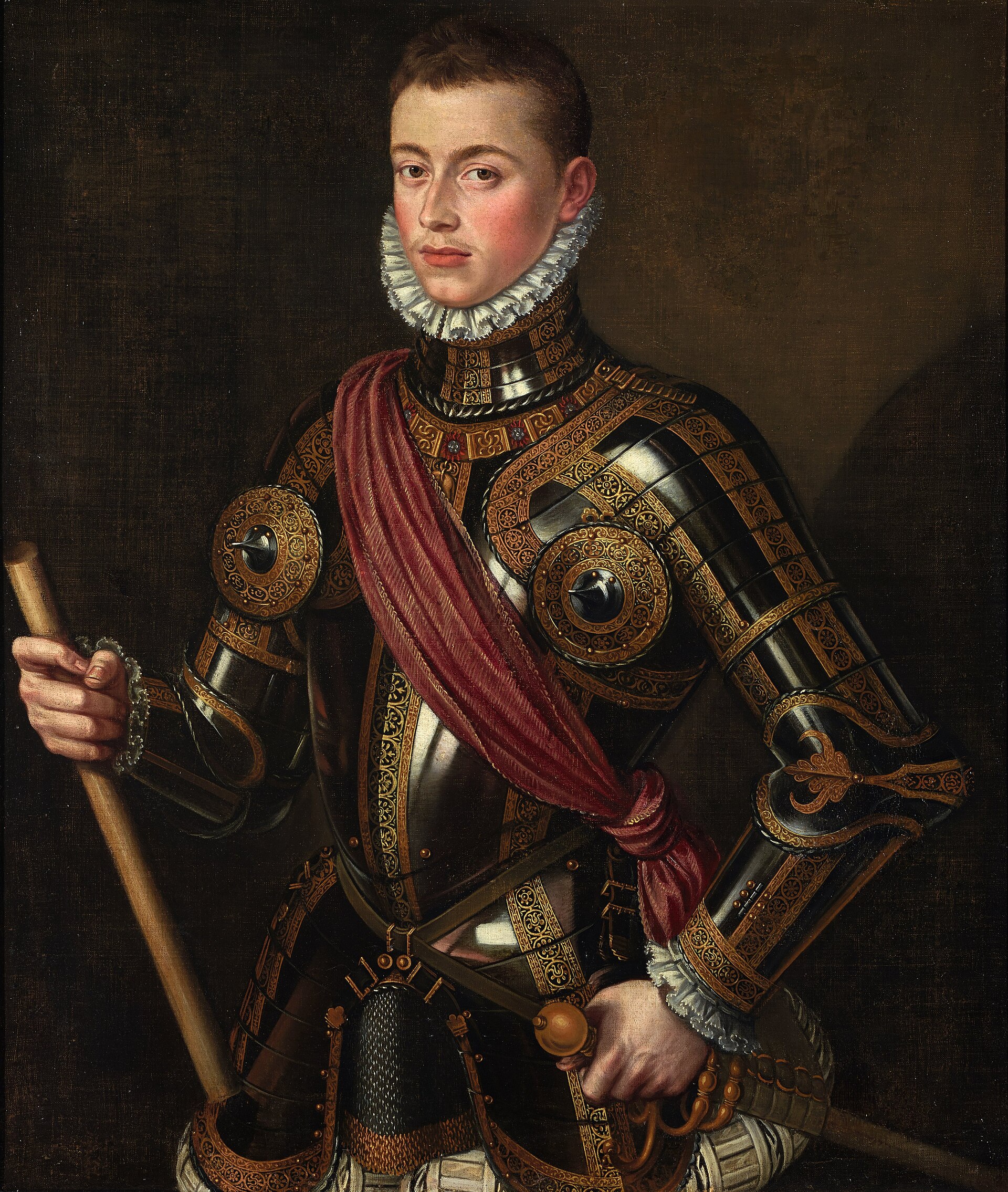
John of Austria (1547–1578) was born as Jerome — Gerónimo. At Brussels, on 6 June 1554, the Emperor Charles V set down that he had a son: un hijo natural de una muger soltera, el que se llama Gerónimo. He acknowledged the boy openly, though without ceremony, and confirmed it again in his last testament at Yuste.
Five years later the boy learned formally who his father was, and was given the name of the House — Juan de Austria, meaning Habsburg. In Spanish Italy and elsewhere people called him Serenissimo and Principe; the Holy See gave him the banner of the Holy League and proposed him a crown; and from 1575 the Spanish court itself called him Alteza. A prince of the Imperial House.
- Born
- Regensburg, 24 February 1547, as Jerome — Gerónimo
- Acknowledged
- By the Emperor Charles V, Brussels, 6 June 1554
- Received
- Into the House of Austria, 1559, and given its name
- Known for
- Lepanto, 7 October 1571 · Tunis, 1573 · Governor-General of the Netherlands, 1576–78
- Died
- Bouge, near Namur, 1 October 1578, aged thirty-one
The names he was given, and what they meant
Four names, and each one is a moment in his life rather than a label.
Gerónimo. Jerome. The name the Emperor used in the codicil of 1554 — the only name the boy had for the first twelve years of his life. Jeromín, the diminutive, is what the Spanish sources and the households that raised him called him. It belongs to the childhood and to nothing after it.
Juan de Austria. Given to him in 1559, and it is not a first name and a place. It is the name of the House. De Austria means of the House of Austria — which is to say Habsburg. To be given the dynastic surname is to be received into the dynasty, and that is the whole point of it.
Serenissimo. Principe. Alteza. What Europe called him. Not one court's protocol decision but the usage of the papacy, of Spanish Italy, of the Imperial chancery in Vienna and, in the end, of the Spanish court as well.
Who used which style, and when
1559, Valladolid. Received into the royal family and given a household. He rode ahead of the grandees of Spain and behind the royal family. The Real Academia de la Historia's own biographical dictionary records that Philip II gave him honores y rentas dignas de un príncipe — honours and revenues worthy of a prince. That phrase is the Academy's.
1571, Vienna. The Imperial chancery docketed his letters "El Señor Don Juan de Austria". In its usage of 1577 he is addressed among the princes of the Empire and above the titled nobility.
1 January 1572, Rome. A bull of Pius V styles him el amado hijo noble varón Juan de Austria, Capitán General de la Santa Liga y Confederación.
25 November 1575, Naples. The Viceroy's instruction on correspondence calls him su Alteza fifteen times — in a document arguing for his removal. Usage from the one witness with no reason to flatter him.
Italy, throughout. Torquato Tasso addressed a sonnet to him as Serenissimo. A surviving manuscript dedication opens Al Serenissimo Señor don Juan de Austria… Si en Vos, invicto Príncipe excelente — Most Serene, and Prince, in one breath.
1605, and thirty years on. Cervantes, who had served under him and lost the use of a hand at Lepanto, wrote of el serenísimo don Juan de Austria in Don Quixote.
Historian's note — how he signed himself
Sixty-three of his autograph letters survive, dispersed across the Spanish national archives, the Hispanic Society of America and the Real Academia de la Historia, and they have been catalogued. What nobody has published is an account of how he signed them.
Seven of those letters, transcribed from the originals in Madrid and Vienna, show the signature changing with his standing. In October 1569 he signs Don Ju[an] and stops there — no de Austria. In the letters of 1571, and again in every letter of December 1576, March 1577 and February 1578, the dynastic name is present: Don Ju[an] de Austria. In the last two, of May and July 1578, he signs with the rubric alone and writes no name at all.
Two of the 1571 letters are written in a secretary's hand, and in one of them the signature is a second hand again: those record what his chancery wrote in his name.
The boy nobody explained
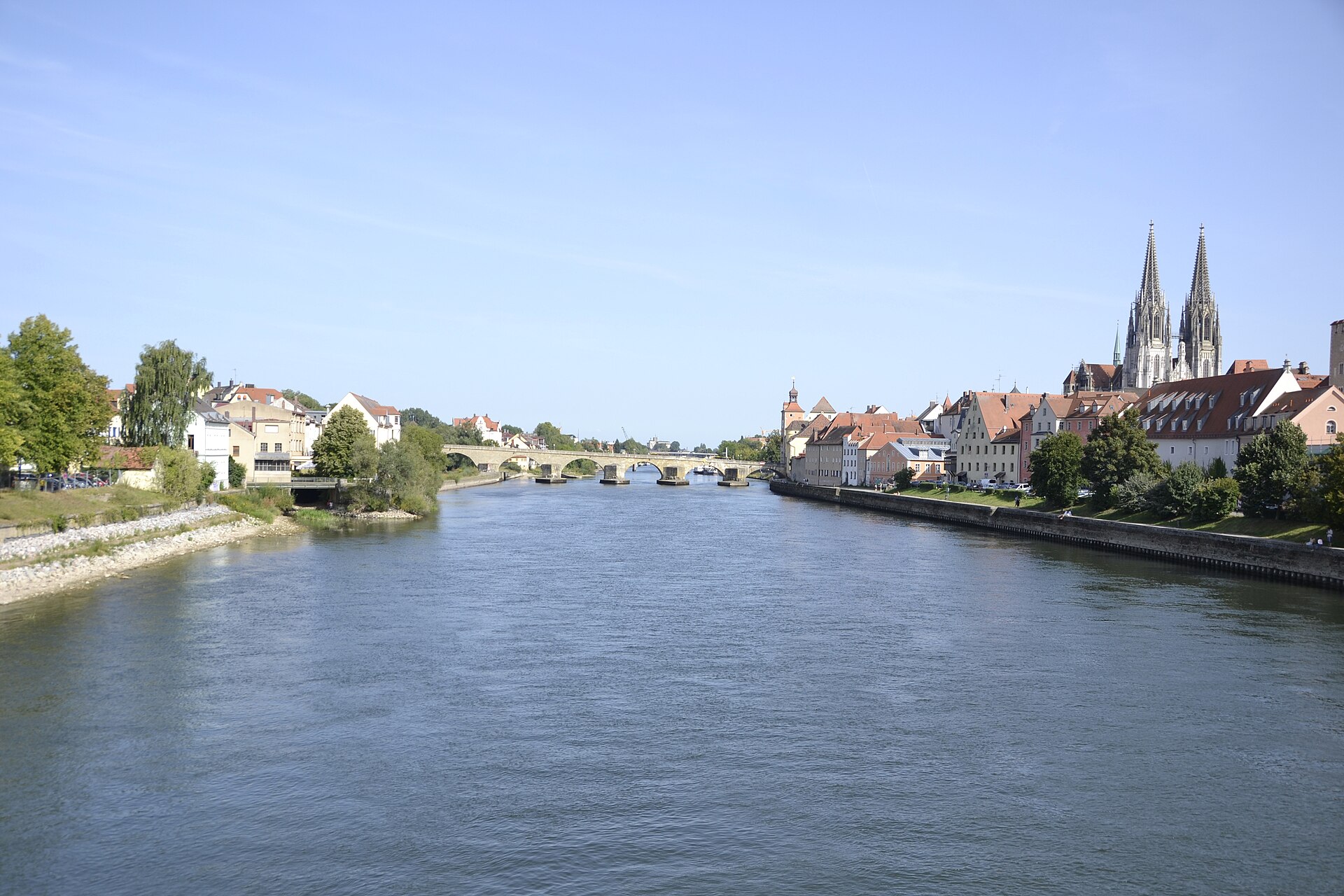
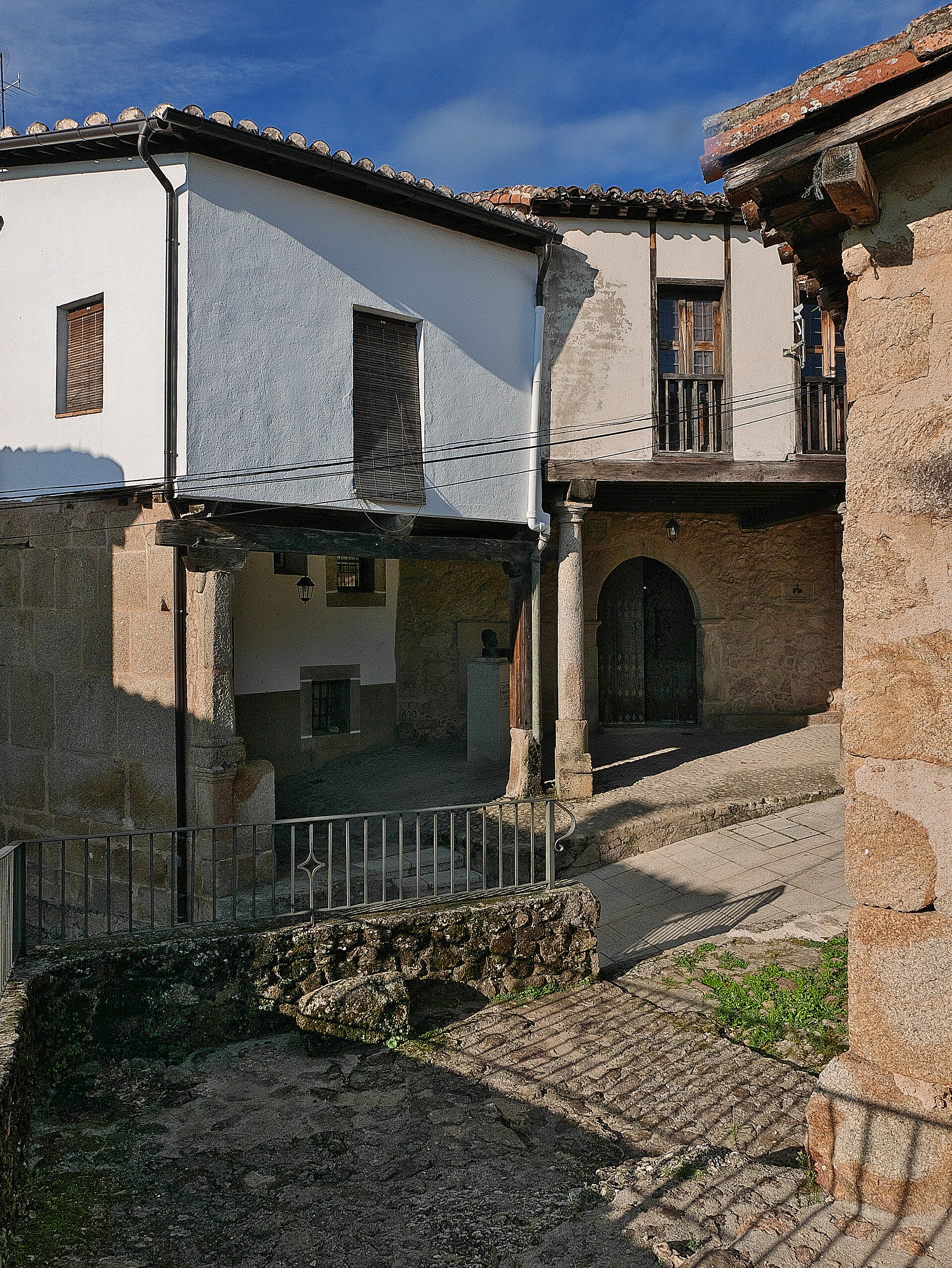
He was born at Regensburg in February 1547 to Barbara Blomberg, and he was moved quietly and often. First to the household of an imperial court musician near Madrid. Then, from 1554, to Villagarcía de Campos in the flat country of Old Castile, to be brought up by Luis de Quijada — the Emperor's own major-domo — and his wife Magdalena de Ulloa, who appears in every account of him as the one person who simply loved him.
She taught him his Latin and his French and read him chivalric romances; her husband taught him to hunt and ride. They had no children of their own. Spanish scholarship remembers her as the woman who educated him.
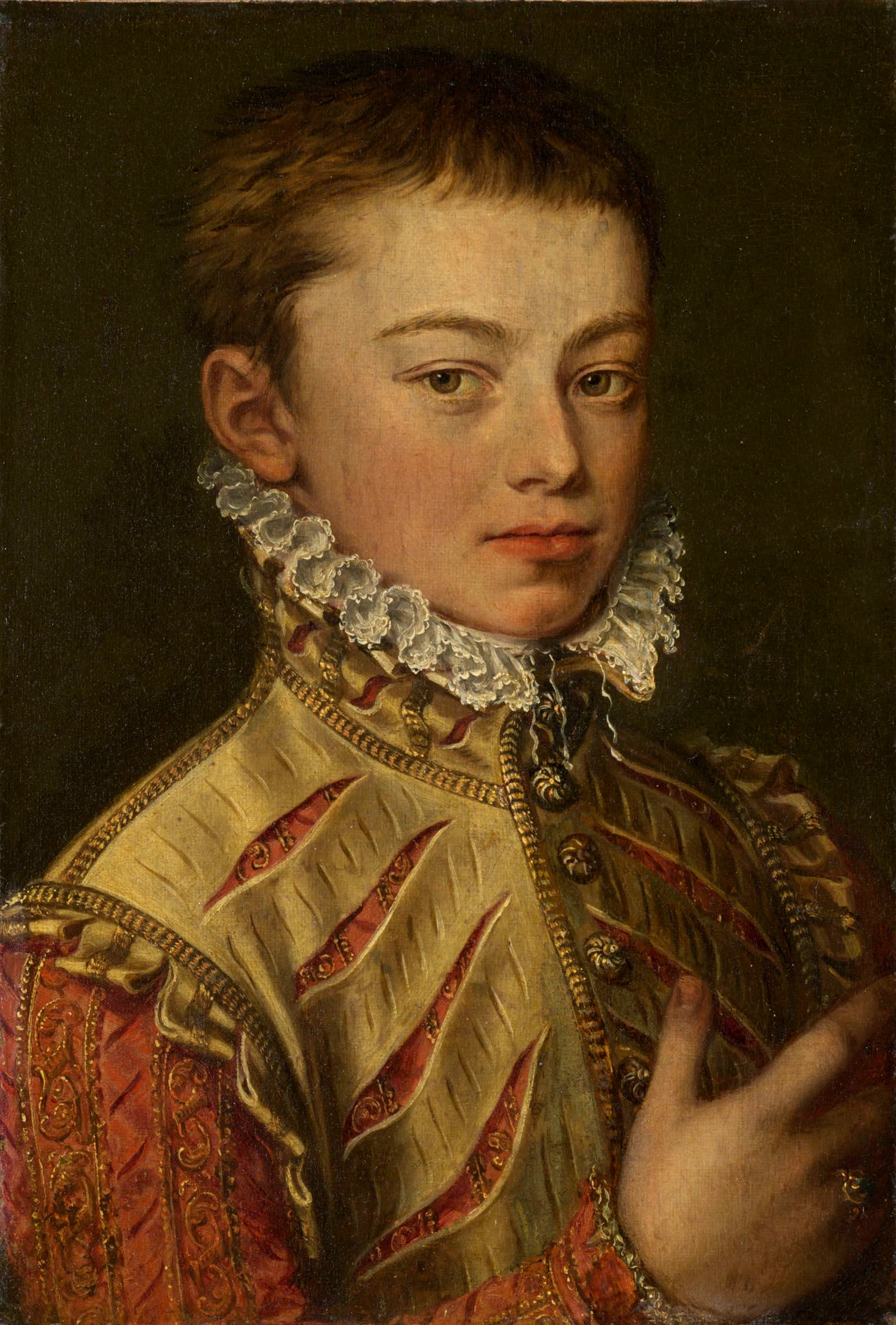
In 1558 he was taken to Yuste, where an exhausted old man in a house beside a monastery met the boy and said nothing to him about it. Charles died that September, having confirmed the acknowledgement in his testament and directed that the boy be renamed John.
Santa María de La Santa Espina, near Valladolid · 28 September 1559
The day he was told
Philip II had come back from Brussels knowing what his father's will said. The two met during a hunt, at a monastery in the country outside Valladolid.
Quijada told the boy to dismount. The King asked him whether he knew who his father was.
He did not.
Philip told him they shared one.
He had gone from a village to the second rank of the greatest monarchy in the world in a single afternoon, and he was twelve years old.
What the record of that year actually showsWhat followed was not a gesture. He was given the dynastic surname and a household — the Casa de Don Juan de Austria, carried in the royal budget from 1562 at fifteen thousand ducats. In public ceremony he took his place ahead of every grandee of Spain and behind the royal family. Rank in a court of that period is not decoration. It is the court's own statement of what a man is.
One word, and everyone who used it
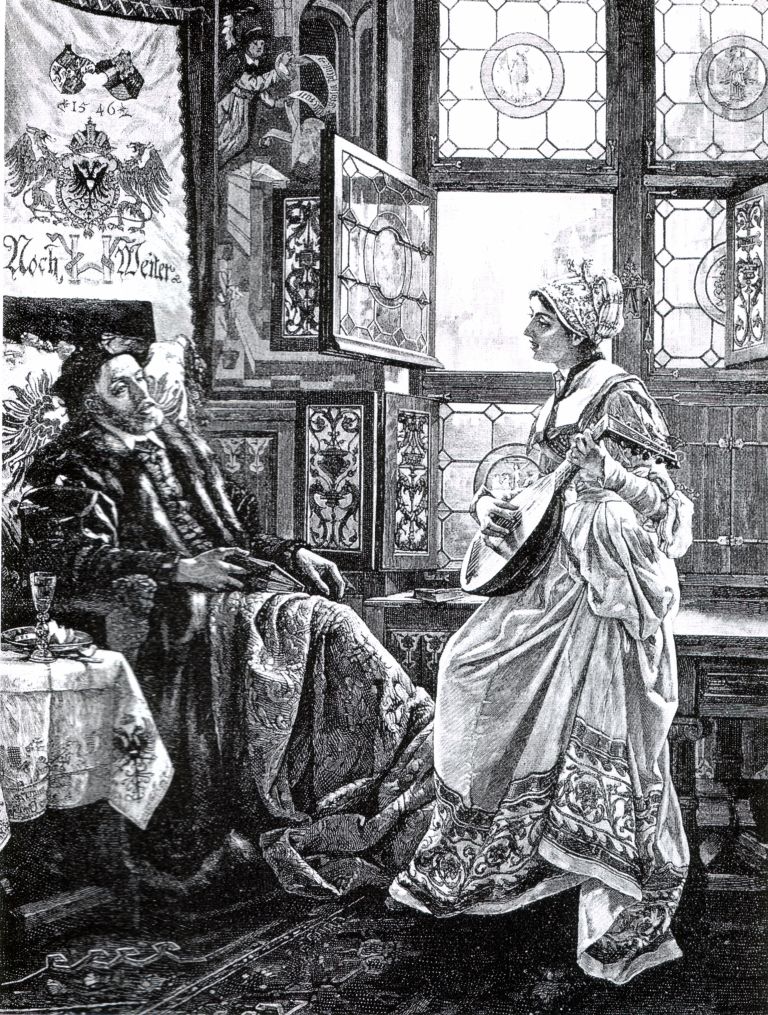
There is a well-known story that Philip II restricted his half-brother to Excelencia, Excellency, and withheld Alteza, Highness. It is true, and it is more interesting than it first looks.
On 26 June 1571 a formal reproof was issued telling him to drop el trato abusivo de Alteza o Príncipe — the abusive use of Highness or Prince.
Read that again, because of what it takes for granted. A rebuke for using a style is a record that the style was in use, and that it had to be actively resisted. Nobody issues an order against a form of address that nobody employs.
And the resistance did not hold. The people used Alteza regardless — a contemporary Spanish account says plainly that Philip could not prevent it. The papacy and the Italian states, bound by no Spanish court protocol, used Serenissimo and Principe throughout. The Viceroy of Naples used su Alteza fifteen times in a single hostile memorandum. And in 1575 Philip himself let it pass, and the Spanish court called him Highness for the rest of his life.
Three and a half months after that reproof he was given supreme command of the fleets of the Holy League.
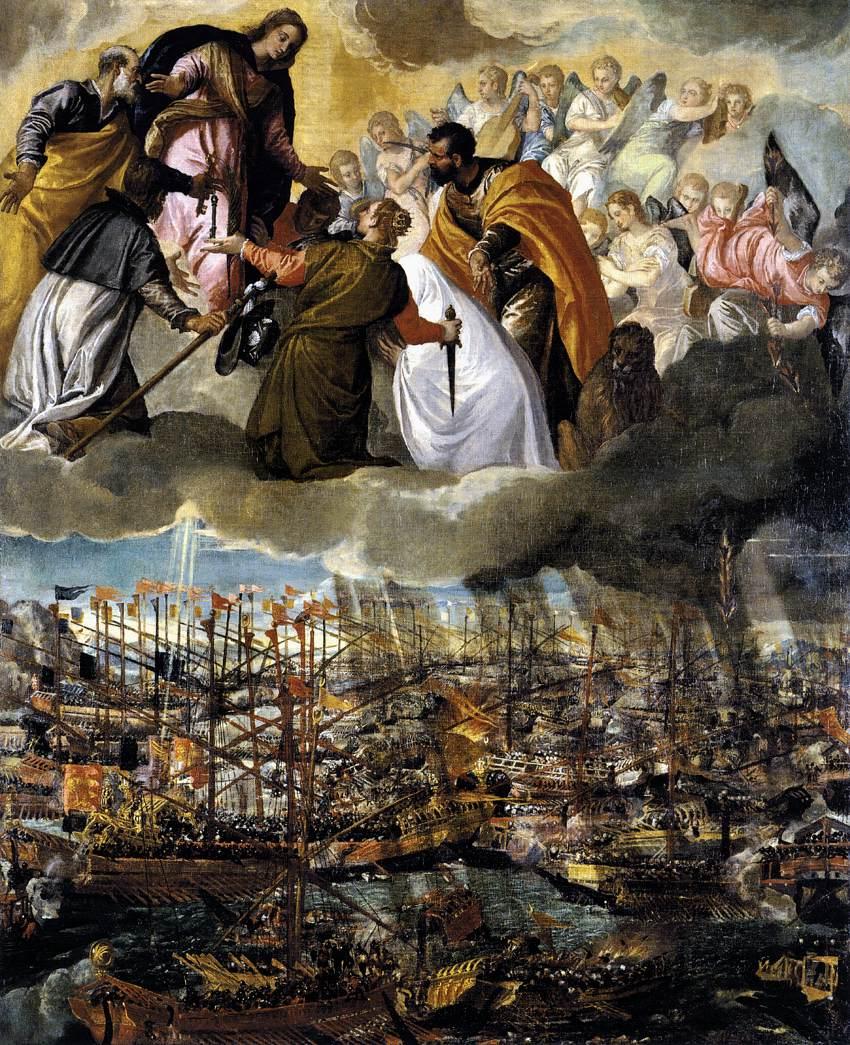
The Gulf of Corinth · 7 October 1571
Lepanto
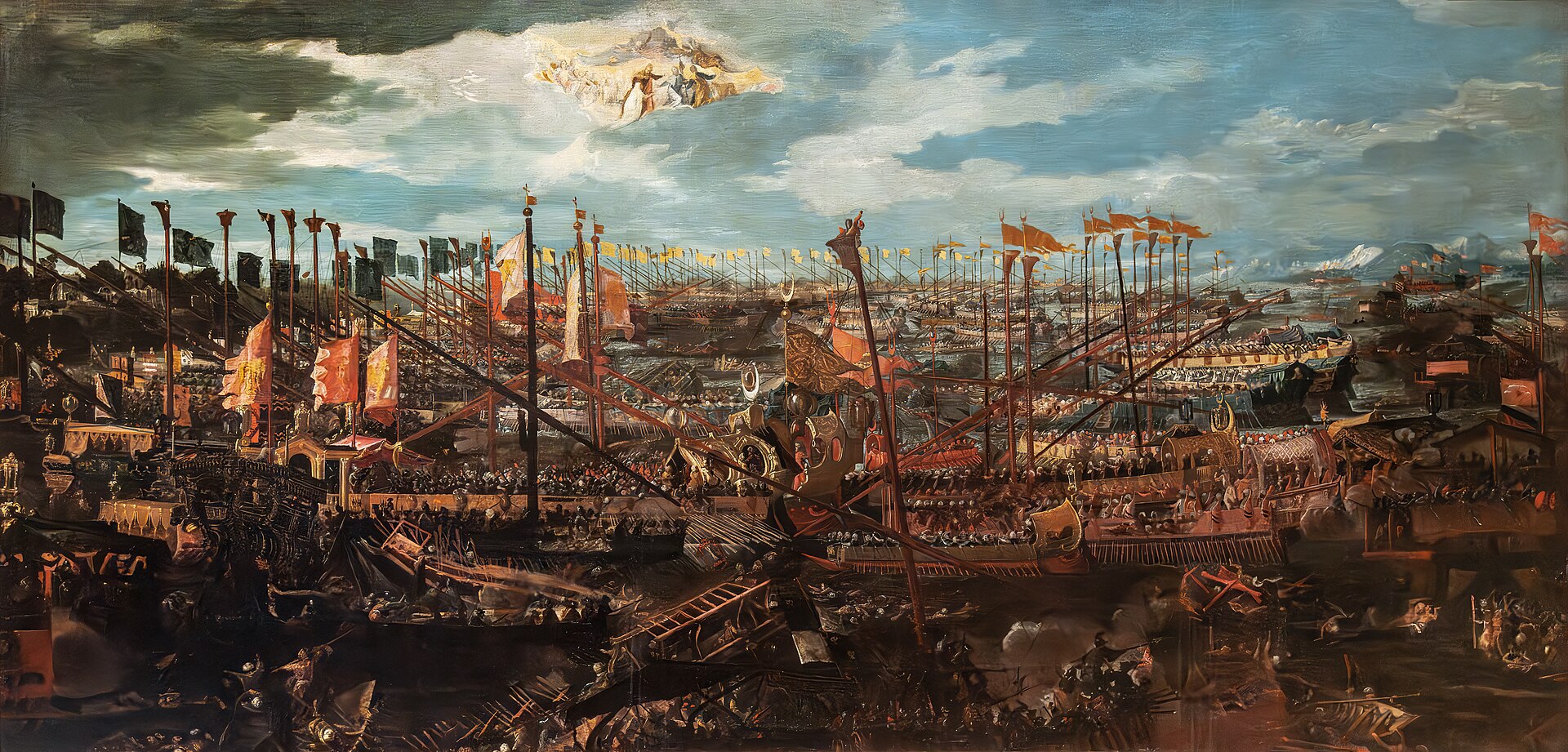
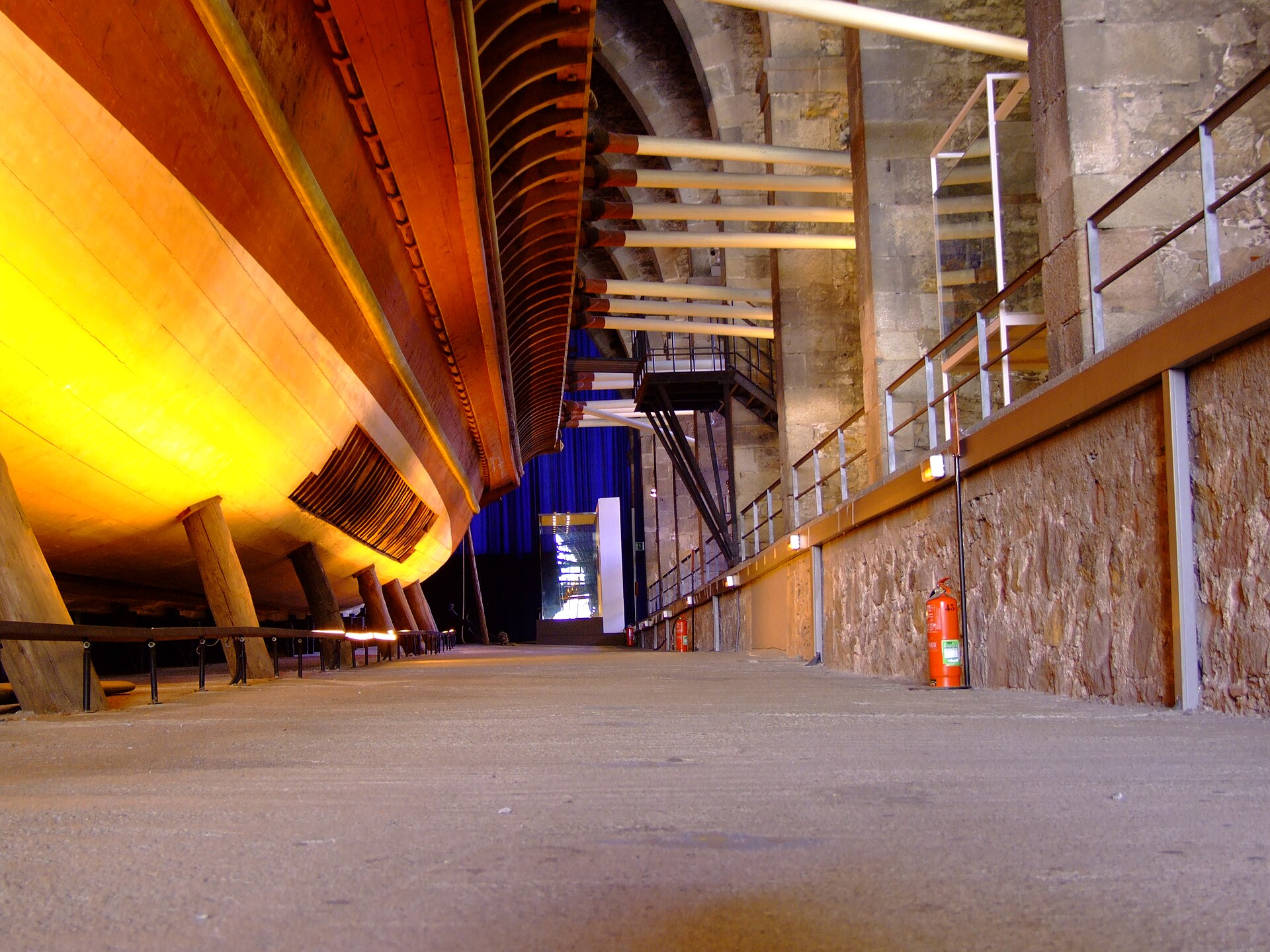
He was twenty-four and in supreme command of a Holy League fleet of some two hundred galleys — Spanish, Venetian, papal, Genoese, Savoyard, Maltese — against an Ottoman armada of comparable size. It was the largest naval battle Europe had fought in centuries and very nearly the last fought under oars.
The League won. The Ottoman fleet was destroyed as a fighting force in an afternoon.
Pope Pius V had greeted his appointment by borrowing a line from the Gospel of John — there was a man sent from God, whose name was John. And the Pope had put the banner of the Holy League into his hands. The scene is carved on Pius V's own tomb in Santa Maria Maggiore in Rome: the Pope, and the young commander, and the standard passing between them.
Supreme command of a combined Catholic fleet was not given below princely rank, and a papal vexillum was not placed in the hands of a private gentleman.
What Lepanto did and did not settle
It did not end Ottoman naval power. The fleet was rebuilt with astonishing speed and within three years had taken Tunis back. Historians have argued ever since about whether Lepanto was a turning point or a magnificent, expensive draw.
What it certainly did was end the idea that the Ottoman navy could not be beaten — and it made its twenty-four-year-old commander the most celebrated man in Europe.
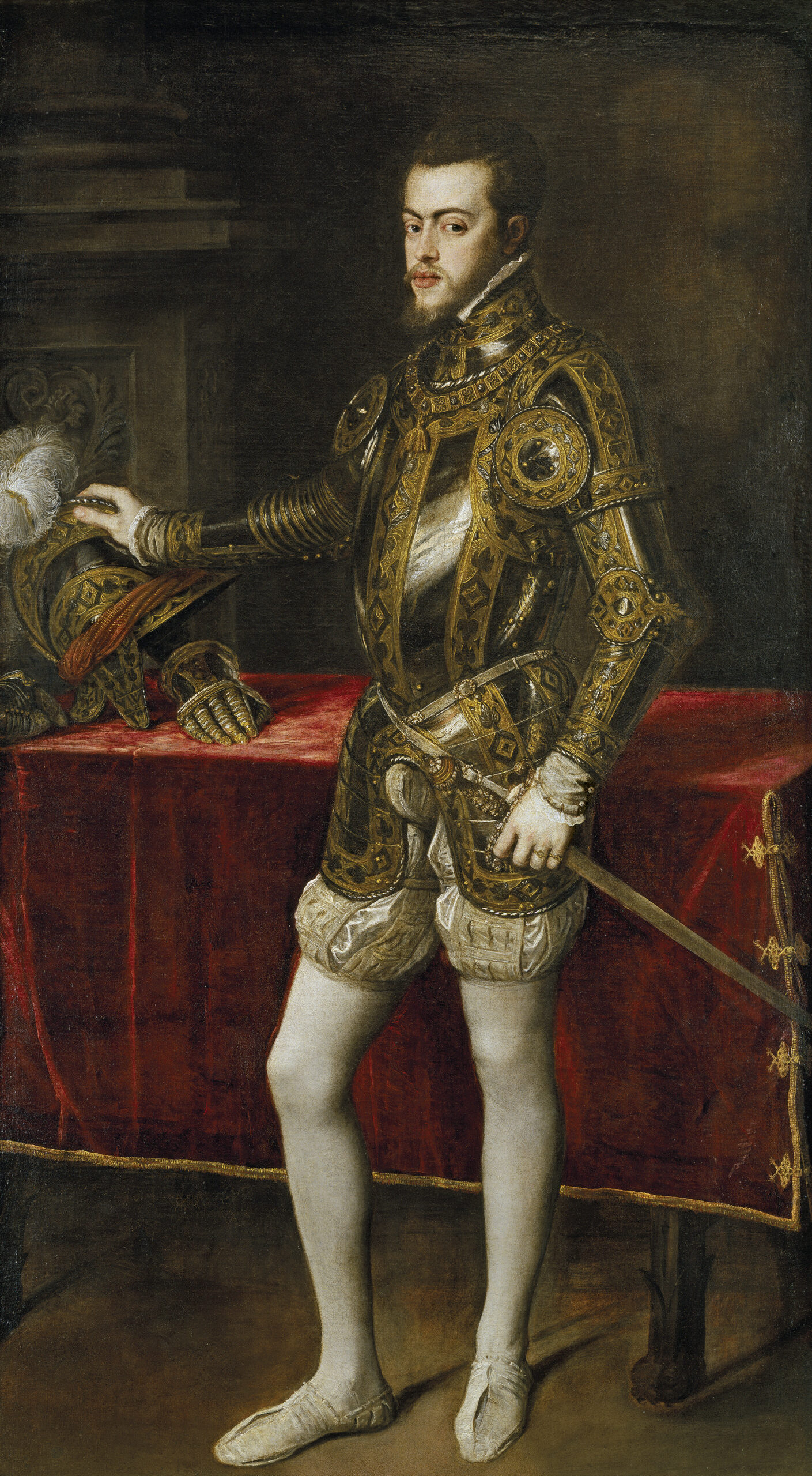
Three crowns
What he wanted after Lepanto was a kingdom of his own. He came close three times, and each time the proposal came from someone else.
- Greece, the Morea, Albania. After Lepanto, embassies came from the East offering him the crown of kingdoms held by the Turk. Pius V had already been recorded raising the question of a throne for the Emperor's son when the two met at Rome on the eve of the battle.
- Tunis. He took the city in October 1573 with a hundred-odd galleys and some twenty thousand men, and took it without losses. Early in 1574 Gregory XIII wrote to Philip asking that he be granted a monarchy in Africa. Philip declined. That summer an Ottoman armada came back and took both Tunis and La Goleta.
- England. The strangest of them: cross to England, free Mary, Queen of Scots, marry her, and take the throne — with fifty thousand gold escudos of papal money towards it. Philip never committed. He spent the money on the war in Flanders instead, which tells you something about him that the scheme itself does not.
None of them happened, and each of them was blocked in Madrid rather than in Rome. Popes do not propose thrones to commoners.
Madrid · 31 March 1578
The murder of his secretary
Juan de Escovedo had been his secretary since 1574 and was in Madrid arguing his master's case. On the night of 31 March 1578 he was killed in the street by hired men, after attempts to poison him at dinner had failed.
The killing was organised by Antonio Pérez, Philip II's own secretary of state. The modern consensus — argued most fully by Geoffrey Parker from the King's holograph papers — is that Philip consented, having been persuaded by Pérez that Escovedo was his brother's “evil genius”, pushing him towards treason.
Pérez was eventually arrested, put to the rack, escaped to Aragon in 1590, set off a revolt there that was put down with great brutality, and published from exile a self-exculpating account that became one of the founding texts of the Black Legend of Spain.
John of Austria was six months from death and never knew any of it.
A note on the Black Legend, since we have just used its main source
The leyenda negra is the long tradition of anti-Spanish polemic that turned Philip II into a cartoon: the cold fanatic who removed inconvenient people with poison. Its evidentiary spine is Pérez's own book — written in exile, by a man the King had imprisoned, who had himself organised the murder he was writing about.
The sensible position, and the one this site takes, is to throw out the caricature and keep the documented facts, which are quite dark enough. Philip did consent to a political assassination. He did not poison his brother.
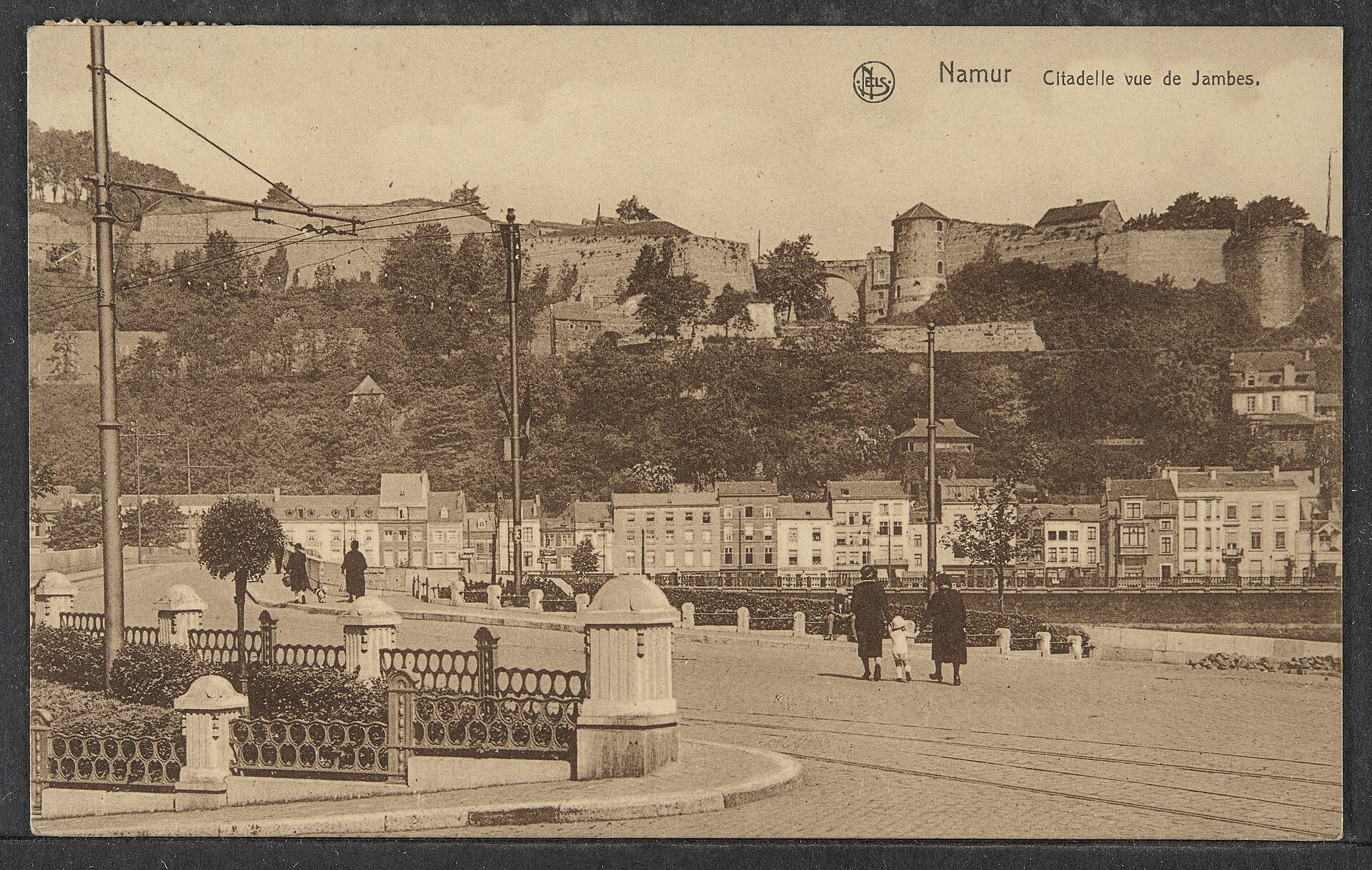
Bouge, near Namur · 1 October 1578
The dovecote
He had been Governor-General and Captain General of the Netherlands since 1576 — signing the Perpetual Edict in February 1577, winning at Gembloux in January 1578 with Alexander Farnese beside him — and by that autumn his army was camped outside Namur with an epidemic running through it.
In mid-September he moved out of the town to be nearer his men, into a farm at Bouge. They cleaned out a dovecote, hung its rough walls with armorial hangings, curtained the window-holes with damask, and put him to bed there. His last illness was reckoned by those about him to have begun on 17 September. On 28 September he named Farnese his successor. On 1 October he died, aged thirty-one.
The camp fever that killed him is usually called typhus; a forensic reassessment published in 2004 argues for typhoid, and for a fatal haemorrhage after a surgeon's lancet — a contemporary surgeon wrote bitterly that he came to die miserably at the hands of his doctors. It cannot be settled from sixteenth-century records.
What is settled is that he was not poisoned. That story was made in wartime, by the other side, and there is no evidence for it of any kind.
His heart and entrails stayed in Namur, in the cathedral, and his funeral was held there.
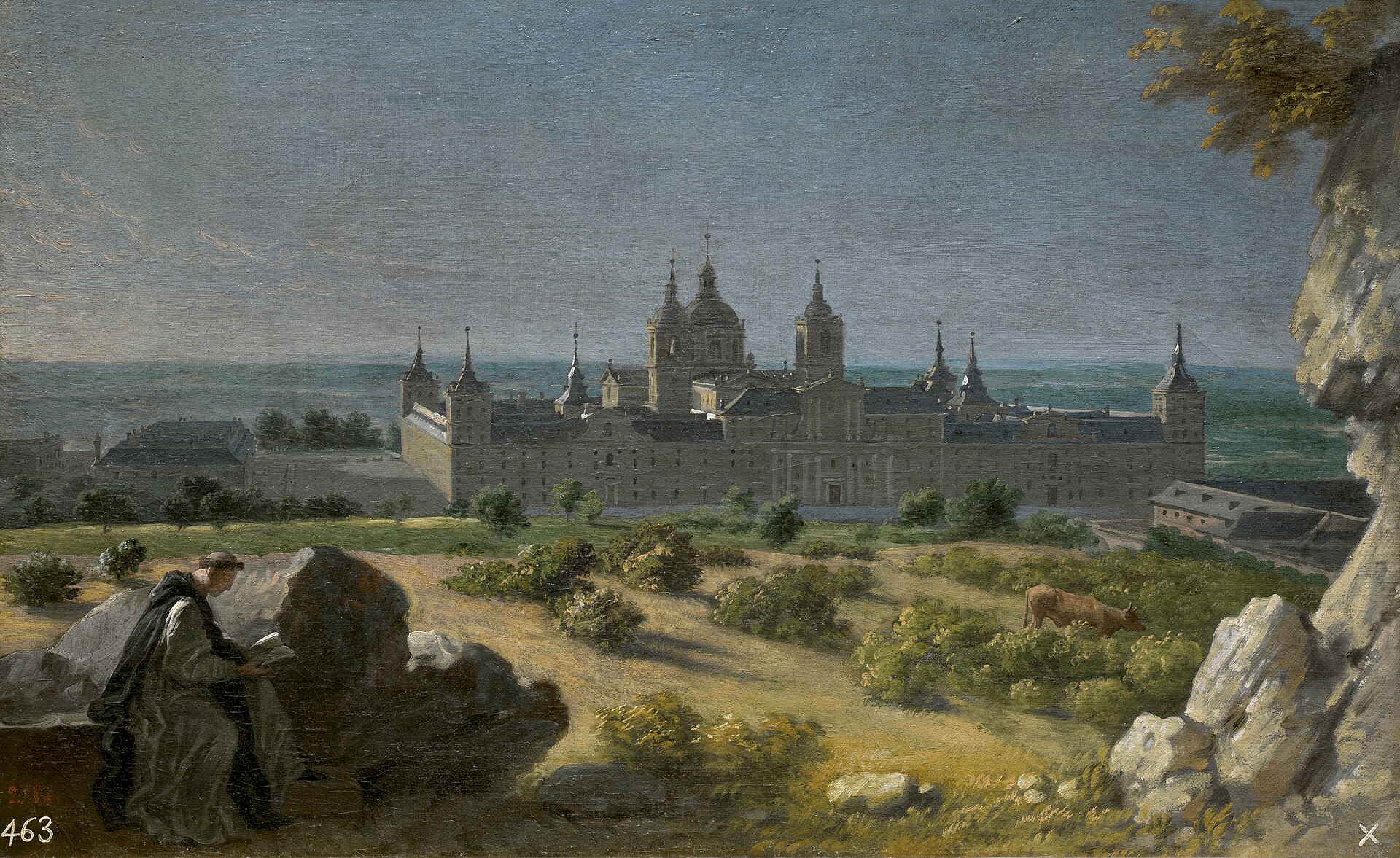
And then they took him apart
Five months later Philip decided he wanted his brother at El Escorial, and that nobody was to know he was moving.
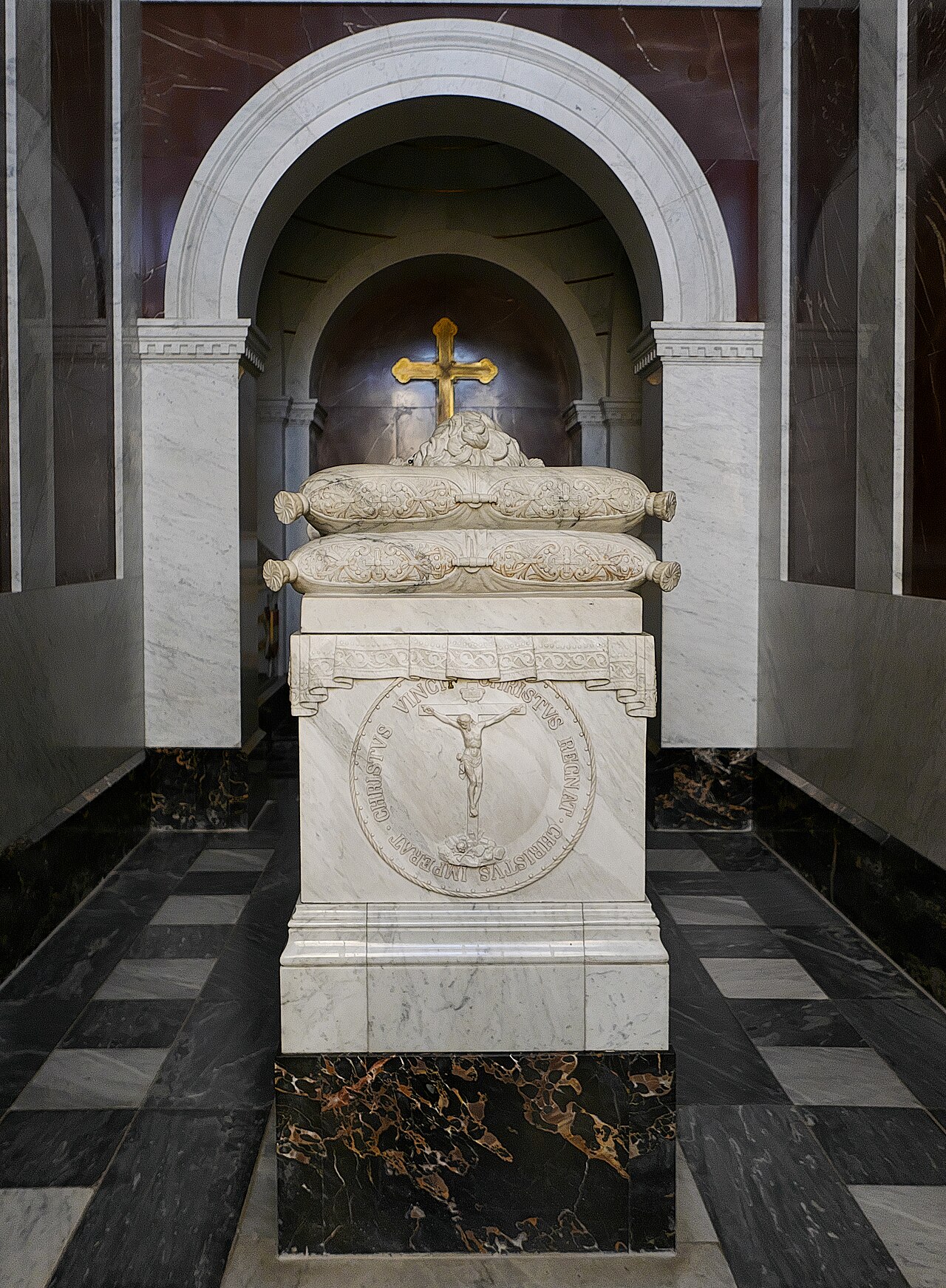
The body was exhumed. It was dismembered at the joints and packed into leather travelling bags. Permission to cross France was obtained without mentioning what the baggage was. At the abbey of Párraces in Segovia it was reassembled — the parts fastened back together with iron and bronze — and on 24 May 1579 he was buried with full honours in the Pantheon of the Princes at El Escorial, where he lies under a marble figure carved three centuries after his death.
The Pantheon of the Princes. It is worth knowing what that room is: at the Escorial the kings and the mothers of kings lie in one chamber, and the princes of the house in another. He is in the second one.
His children
Three are named in the accredited record.
- María Ana de Austria (born 1568), placed in a convent at Madrigal de las Altas Torres at the age of six and professed at twenty-one. What happened to her there is the strangest episode in this family's sixteenth century, and it has a page of its own.
- Giovanna de Austria (born Naples, 11 September 1573), who married Francesco Branciforte in Sicily in 1603. The line from her runs on through the Branciforte and Colonna families.
- A son, born about 1574, who died in infancy and was never named.
One correction worth making, because popular retellings get it wrong constantly: the mother of María Ana was not the Princess of Éboli. Two different women named Ana de Mendoza have been welded into one person by four hundred years of careless copying.
Three small things, because he deserves them
He kept a lion. A tame one, brought back from Algiers, which he walked about Naples with. This is reported from contemporary accounts and appears to be perfectly true.
He is not the man in the Velázquez. The Prado holds a painting called The Jester Don John of Austria — a court fool who had been given the great man's name as a joke, painted more than fifty years after the real one died. It is mis-captioned on the internet daily. It will never be mis-captioned here.
Chesterton wrote him a poem, in 1911, and it is still the reason a great many English-speaking readers have heard of Lepanto at all. It is romantic, it is historically impressionistic, and it is magnificent.
- The Madrigal affair His daughter, a pastry-cook who claimed to be a dead king, and a promise that she would be Queen of Portugal.
- Charles V His father — who inherited half the world and then handed it back.
- Follow him on the map Regensburg, Villagarcía, Yuste, La Santa Espina, Lepanto, Naples, Tunis, Namur, Bouge, El Escorial — the whole short life, in order.
Where this page comes from
- The codicil of Charles V, Brussels, 6 June 1554; the testament of 1558 at Yuste. Originals at the Archivo General de Simancas, Patronato Real.
- Real Academia de la Historia, Diccionario Biográfico electrónico (Bartolomé Bennassar), for the reception of 1559 and the honours that followed.
- Bartolomé Bennassar, Don Juan de Austria: un héroe para un imperio (2000).
- Geoffrey Parker, Imprudent King: A New Life of Philip II (Yale, 2014) — for the Escovedo affair and the King's part in it.
- Carlos Robles do Campo, Real Academia Matritense de Heráldica y Genealogía (2004) — for the children.
- Seoane, Maccagno and Sotelo Lago, Cuadernos de Medicina Forense (2004) — for the reassessment of the final illness.
- Nicolás Ávila Seoane, "La escritura autógrafa de Juan de Austria", Vegueta 24/2 (2024) — the surviving autograph corpus.
- Archival instances of the styles in use: Haus-, Hof- und Staatsarchiv, Vienna (Spanien Diplomatische Korrespondenz); Archivo Histórico de la Nobleza (PRIEGO and OSUNA).
- Sir William Stirling-Maxwell, Don John of Austria (2 vols, 1883) — the classic English life, document-rich and Victorian in its judgements; used with care throughout this site.