History · 1273 to 1438
Kings of the Romans
A crown in the west, a country in the east, and a homeland lost in between
In 1273 a Swiss count is elected king. Within five years he has taken Austria. Within a century and a half the family has been driven out of Switzerland altogether — and has become Austrian instead. The whole centre of gravity of the house moves eight hundred kilometres east, and it happens almost by accident.
Rudolf, 1273
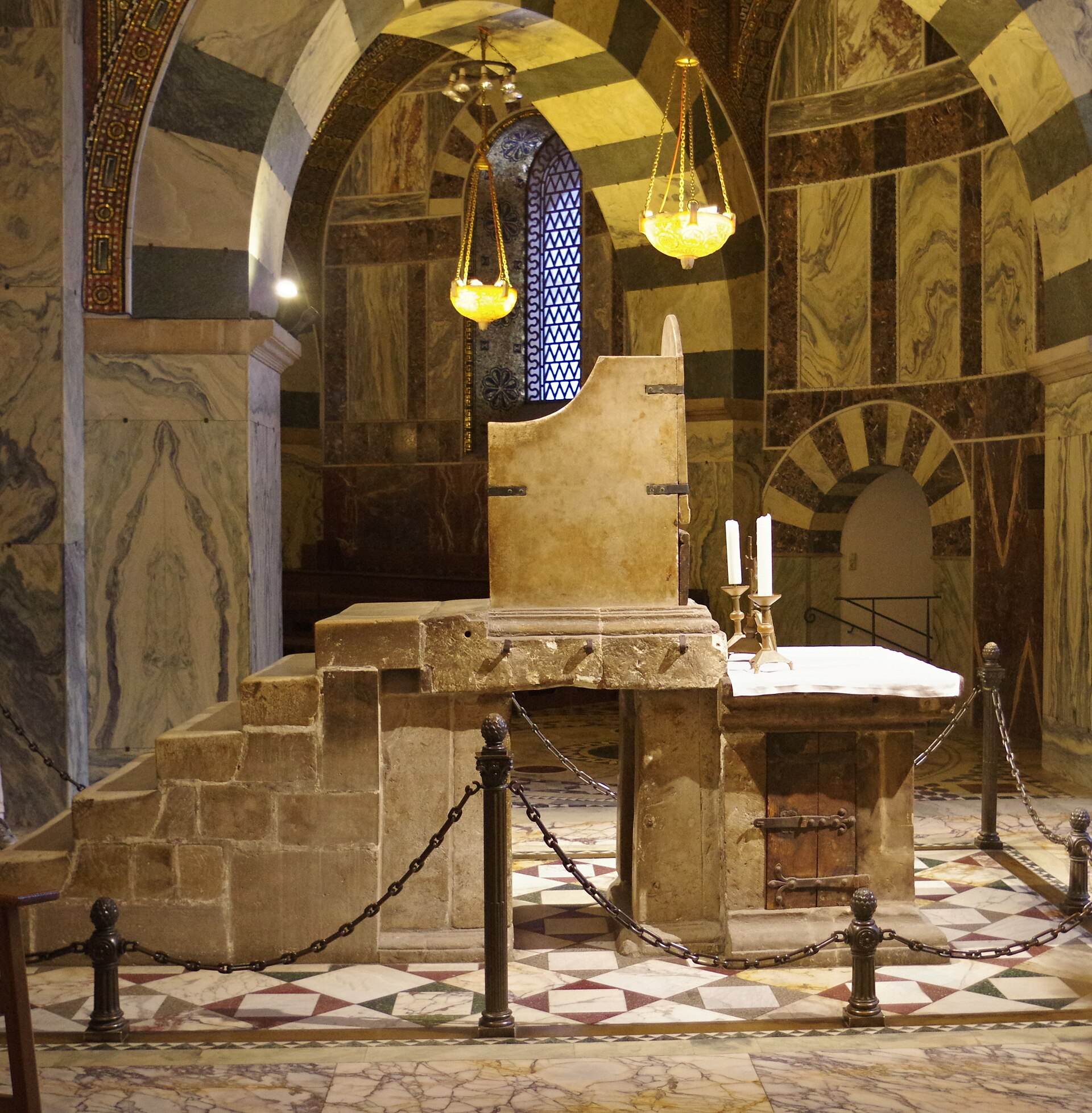
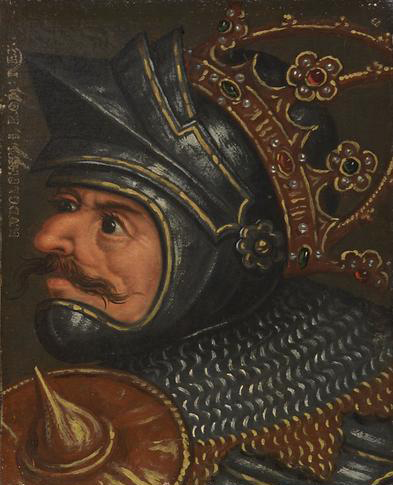
The Empire had gone nearly twenty years without an effective king. When the electors finally moved, they chose Rudolf of Habsburg, then in his mid-fifties, and crowned him at Aachen on 24 October 1273. He was a compromise: competent, well connected in the south-west, and — the electors believed — not rich enough to be a threat.
Rudolf spent the rest of his life proving the last part wrong. His chief opponent was Ottokar II of Bohemia, who held Austria, Styria and Carinthia and who refused to recognise the election. Rudolf declared those lands forfeit, fought Ottokar, and killed him at the battle on the Marchfeld in 1278.
Then he did the thing that mattered. In 1282 he granted Austria and Styria to his own sons. A family from the Aargau now held a duchy on the Danube, and would hold it for the next six hundred and thirty-six years.
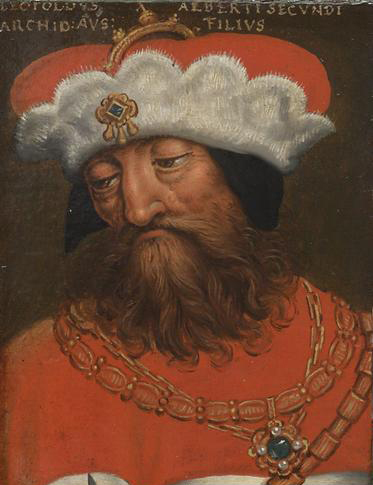
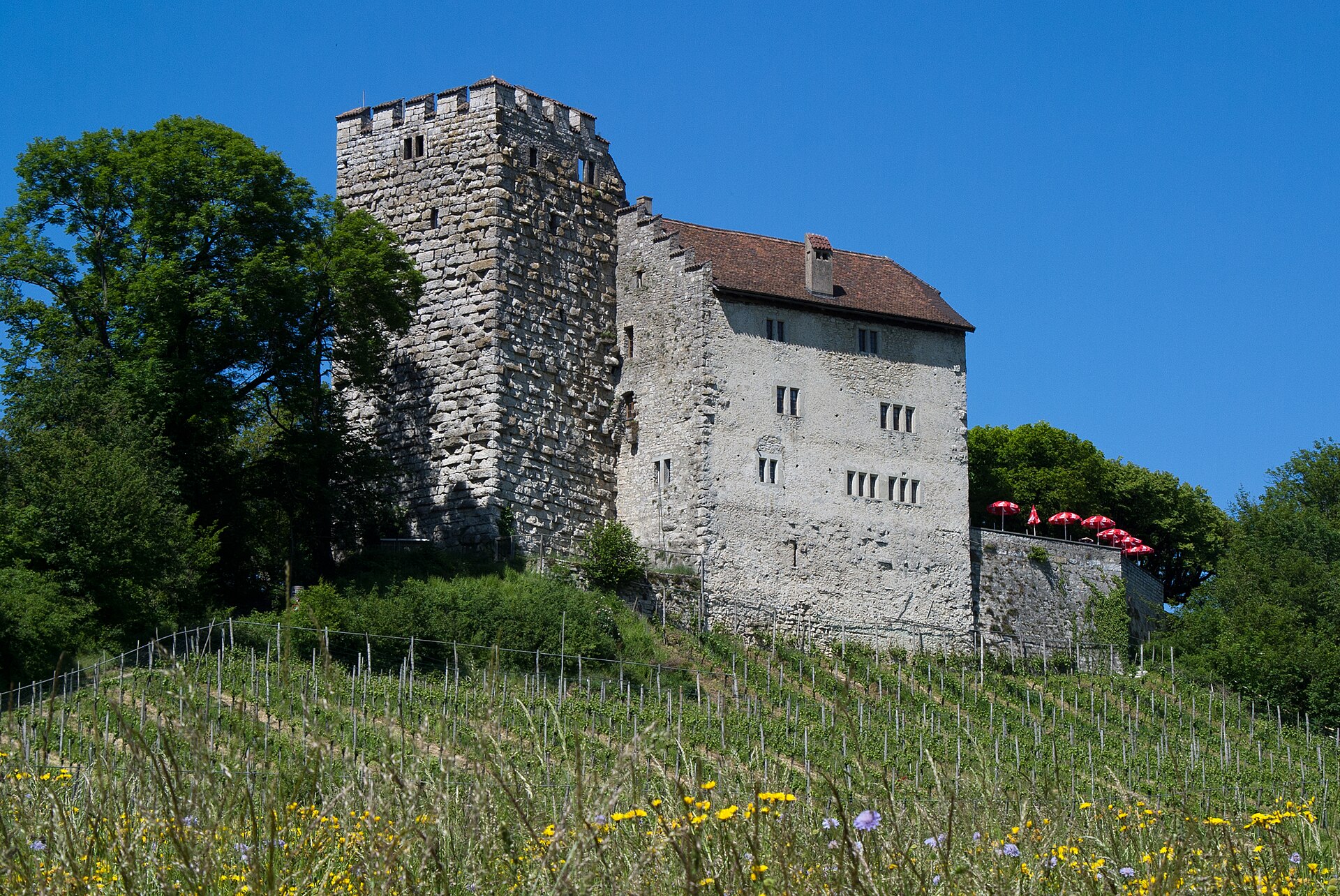
Losing Switzerland
While the family was becoming Austrian, it was ceasing to be Swiss. The forest communities of the central Alps had no wish to be administered by Habsburg officials, and they proved to be extremely good at fighting in mountains.
At Morgarten in 1315 a Habsburg force was destroyed in a defile by men of Schwyz. At Sempach in 1386 Duke Leopold III was killed outright along with much of his nobility. In 1415 the Confederates took the Aargau itself. The castle the family was named after passed out of its hands, and has never been in them since.
Historian’s note
This site takes no side in that quarrel and grieves the dead on both. The Confederates were defending communities that had every reason to defend themselves; the dukes were pursuing rights they held in law. Seven centuries later the castle is a Swiss monument, open to anyone, and that is a perfectly good outcome.
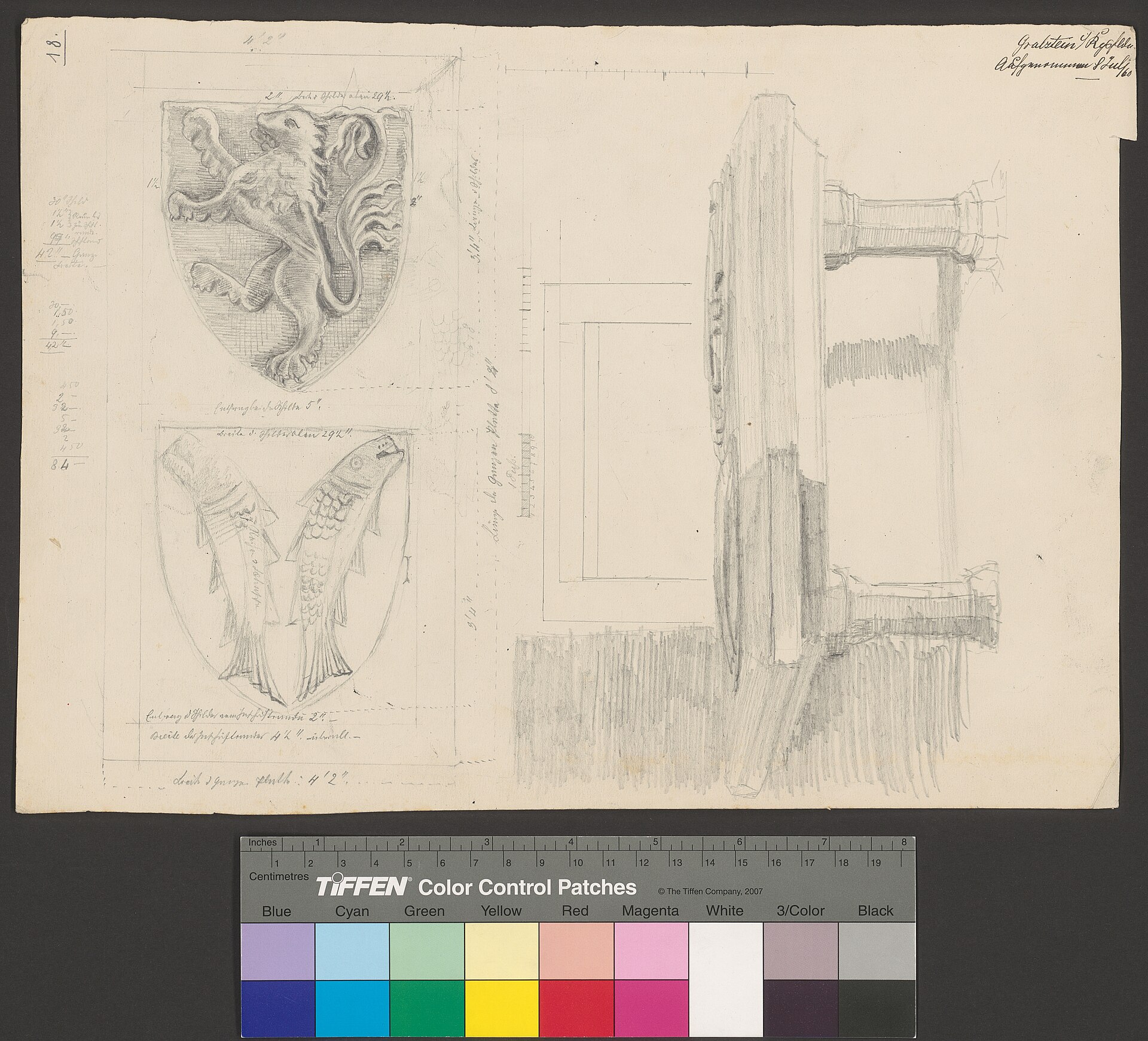
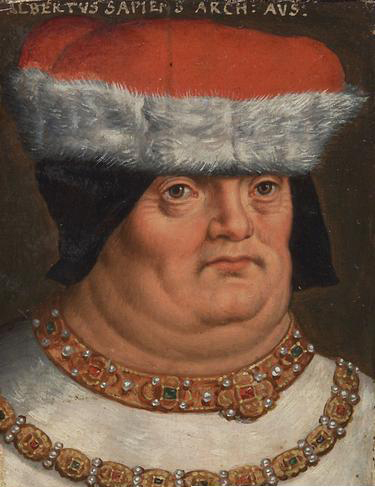
A hundred and fifty years out of the light
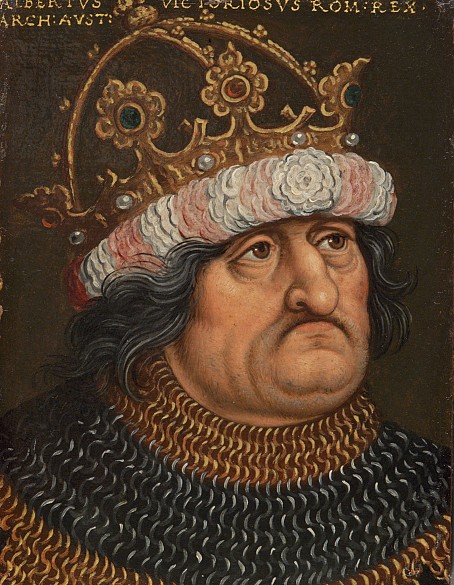
The crown did not stay in the family. After Rudolf’s son Albert I was murdered in 1308 — by his own nephew, on the bank of the Reuss, within sight of the family’s old country — the electors preferred Luxembourgs and Wittelsbachs for most of the next century.
The Habsburgs spent that century consolidating what they actually held, quarrelling among themselves over how to divide it, and inventing documents. The Privilegium Maius, forged at the court of Duke Rudolf IV in the 1350s, claimed extravagant privileges for Austria on the authority of charters that did not exist. It was exposed as a forgery in its own century — Petrarch was asked to examine it and said so — and it was confirmed anyway, a hundred years later, by a Habsburg emperor.
In 1438 Albert II was elected King of the Romans. From that year until 1806, with a single four-year interruption, the crown stayed in the family.
- The Burgundian inheritance
1438 to 1519: one marriage that brings the Low Countries, and a second that brings Spain. - The castle and the county
What came before the crown.
Sources
- Martyn Rady, The Habsburgs: To Rule the World (Basic Books, 2020), chapters 2–4.
- Peter H. Wilson, The Holy Roman Empire: A Thousand Years of Europe’s History (Allen Lane, 2016), on the interregnum and the elective kingship.
- Historisches Lexikon der Schweiz, entries for Morgarten, Sempach and Aargau.