The question everybody arrives with
The Habsburg jaw
What the measurements actually show, and what they do not
More people come to this family through its chin than through any emperor. It is the first thing asked and usually the only thing known, and the popular version of it — they married their cousins and it showed — is half right.
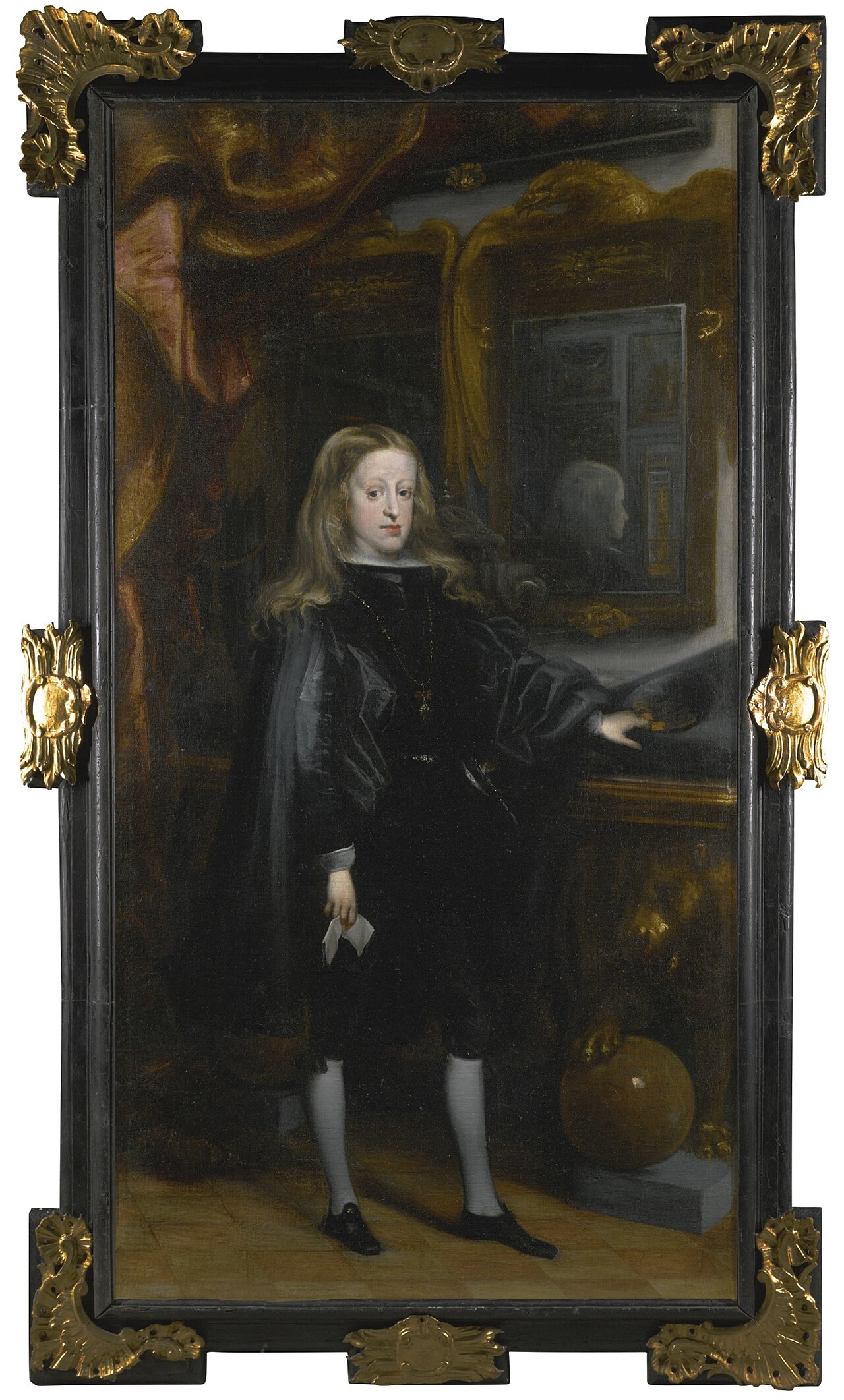
The half that is right has been measured. In 2019 ten maxillofacial surgeons went through sixty-six portraits of fifteen members of the Spanish line and scored them blind against eighteen diagnostic features. Inbreeding tracked the jaw closely. It accounted for about twenty-two per cent of the variation in how pronounced it was.
Twenty-two per cent is a real finding and a large one. It is also not a hundred. Roughly four fifths of the difference between one Habsburg chin and the next is something else, and nobody has yet said what.
- Clinical name
- Mandibular prognathism — an under-jaw that sits forward of the upper. Often paired with maxillary deficiency, an under-developed mid-face. Two conditions, not one.
- First documented
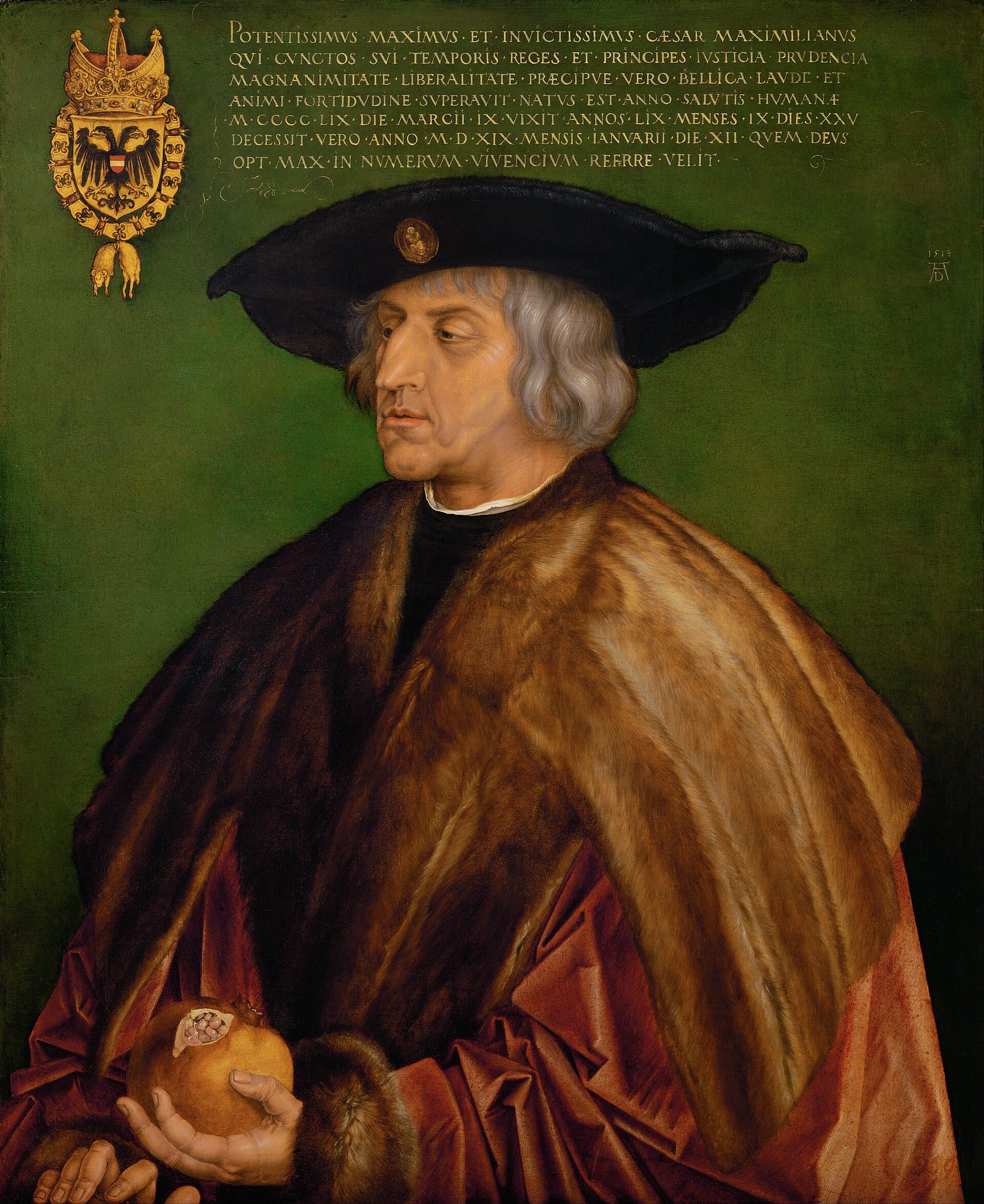
- The clinical literature traces the trait in this family from Maximilian I, in the fifteenth century
- Measured in
- 15 members of the Spanish line, 66 portraits, 10 surgeons, 18 features
- Inbreeding explains
- About 22% of the variation in mandibular prognathism
- Not explained
- The other ~78%
Two things, not one
Almost everything written about the jaw treats it as a single feature. It is two, and they come apart.
Mandibular prognathism is the lower jaw sitting forward. It is what the caricatures draw and it is what the 2019 study found tracking inbreeding closely.
Maxillary deficiency is the upper jaw and mid-face sitting back — the everted lower lip, the gap between the teeth, the long face. The same study looked for the same relationship here and found it much weaker: positive, but statistically significant in only two of the seven features examined.
That distinction matters, because the two together are what produce the famous silhouette, and only one of them has a clear line back to the pedigree. Even the part of the story that is proven is narrower than the story people tell.
How you measure a chin from a painting
The obvious objection is that portraits flatter, and the obvious answer is that they flatter in both directions and not consistently. The 2019 study handled it by using court painters known for accuracy rather than idealisation, by using several portraits of each person where they existed, and by having ten surgeons score each feature independently and then testing how far they agreed with one another.
It is not the same as measuring a living jaw, and the authors do not claim it is. It is about as good as the question allows.
The arithmetic of the Spanish line
The number that does the work here is the inbreeding coefficient — written F, and simply the probability that a person inherits two identical copies of a gene from a single shared ancestor. Two first cousins produce a child with an F of about 0.0625. A brother and sister would produce one at 0.25.
A 2009 reconstruction of the dynasty’s pedigree — sixteen generations deep, more than three thousand individuals — traced what happened to that number across two centuries of Spanish marriages.
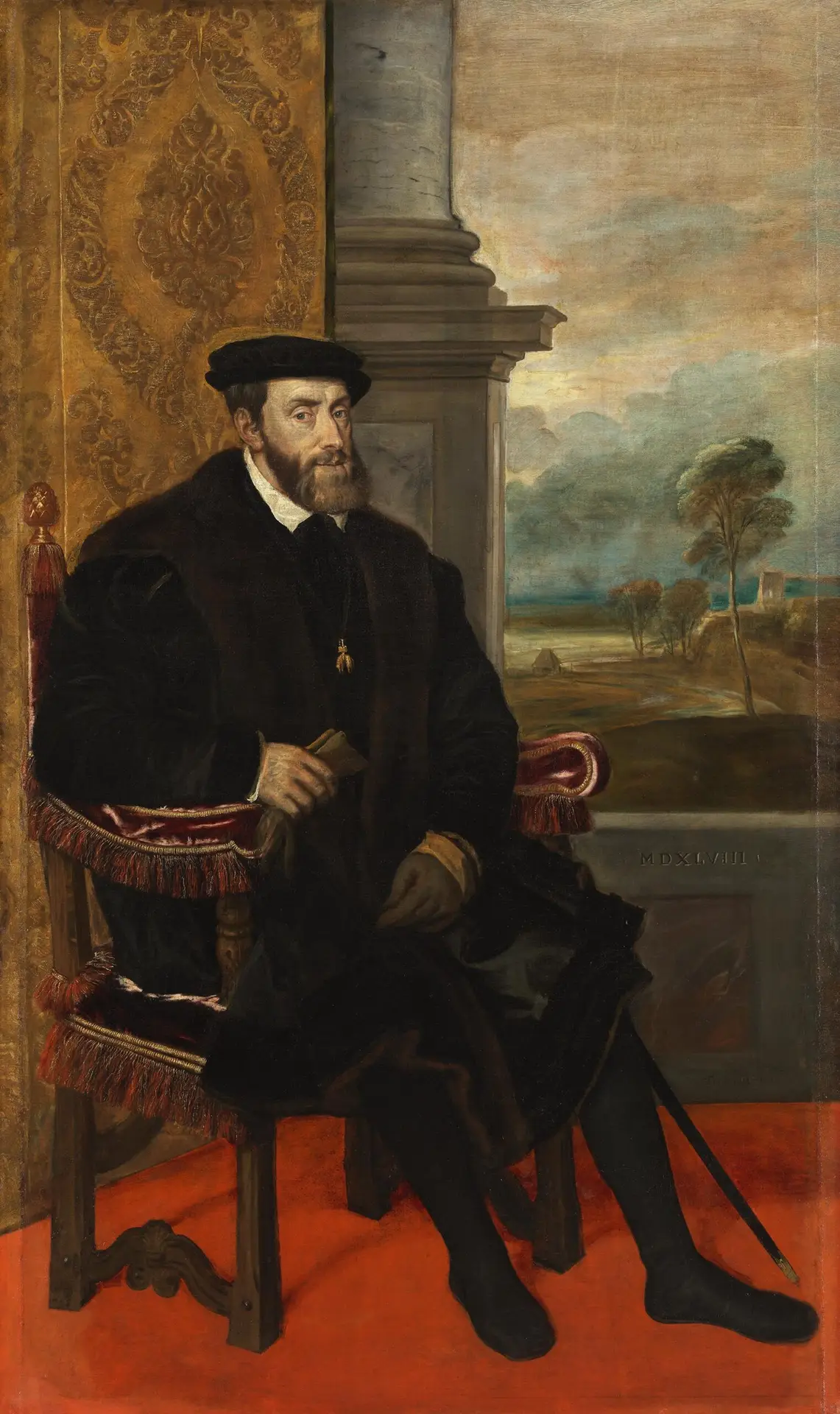
- Philip I, at the start of the Spanish line, has an F of 0.025.
- Charles II, at the end of it, has an F of 0.254 — the figure you would expect from a brother and sister, arrived at instead through generations of uncle-and-niece and first-cousin marriages.
- Between 1527 and 1661, 29.4 per cent of the children born to these families died before their first birthday, and 50 per cent before their tenth. The contemporary Spanish village figure was substantially lower.
The Spanish line ended with Charles II in 1700. The authors of that study suggested he carried two separate recessive disorders at once, and that this accounts for the infertility with which the line closes.
A tenfold rise in a single number, over six generations, in a family that could see the consequences and went on regardless.
It is worth saying plainly what that was and was not. It was not ignorance — the Church required dispensations precisely because close marriage was understood to carry a cost. It was a calculation: the inheritance was held together by marrying inward, and the price was paid by children. Every ruling house in Europe made a version of the same calculation. This one made it more often, and for longer.
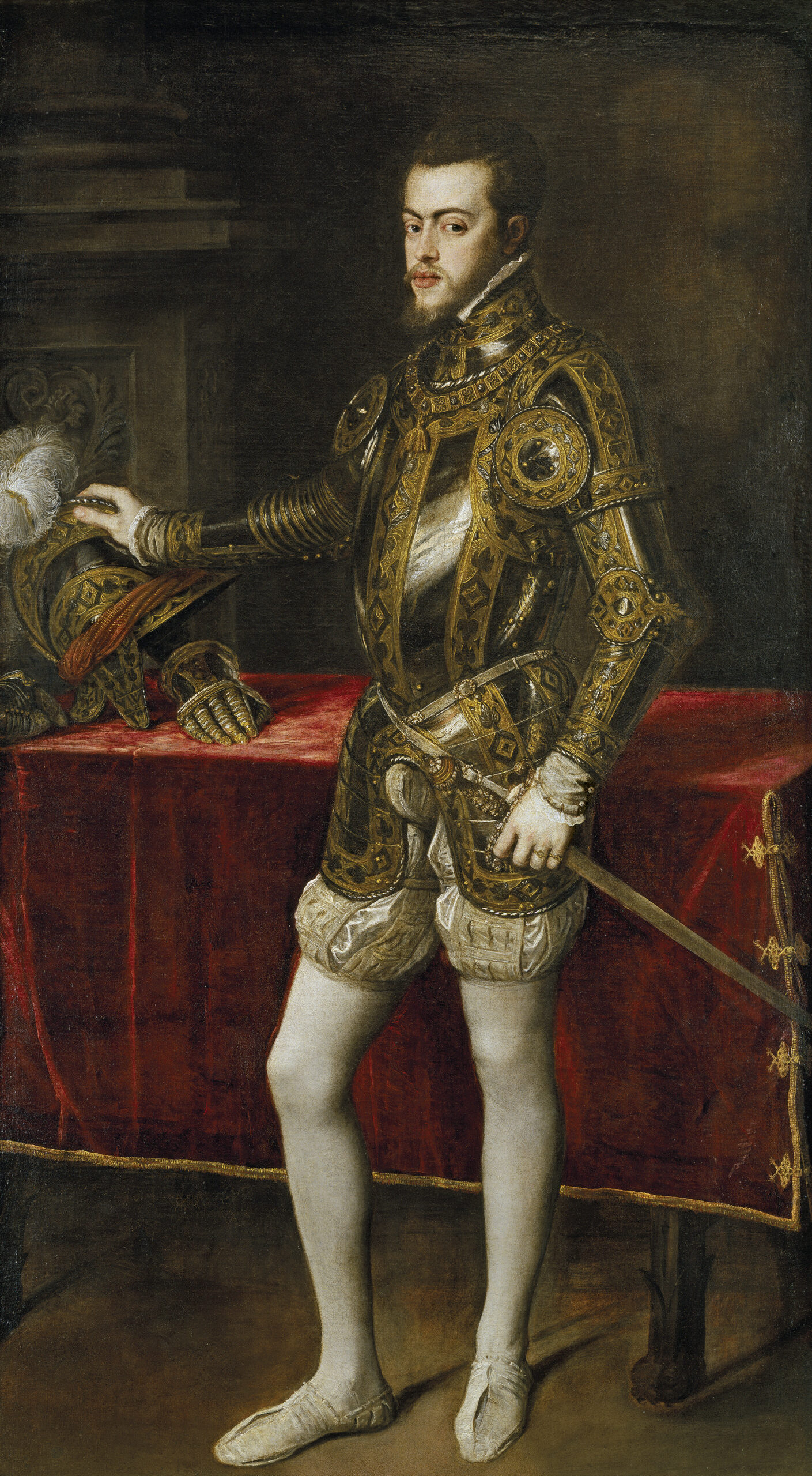
On Charles II
He has been used as an exhibit for three hundred years, and there is a version of this page that would be very easy to write and would be cruel.
He was a man with severe disabilities, born into a role that required things of him he could not do, and he seems to have understood that clearly. He reigned for thirty-five years. He was, by the accounts of people who dealt with him, kind.
This site does not reproduce the autopsy inventory. It circulates widely and it is quoted for effect. The famous grisly wording, as it happens, was written in 2005 and not in 1700 — that correction is on the Great Stories page, because it is worth making. The list itself is not reproduced here or anywhere else on this site, and that is a decision rather than an oversight.
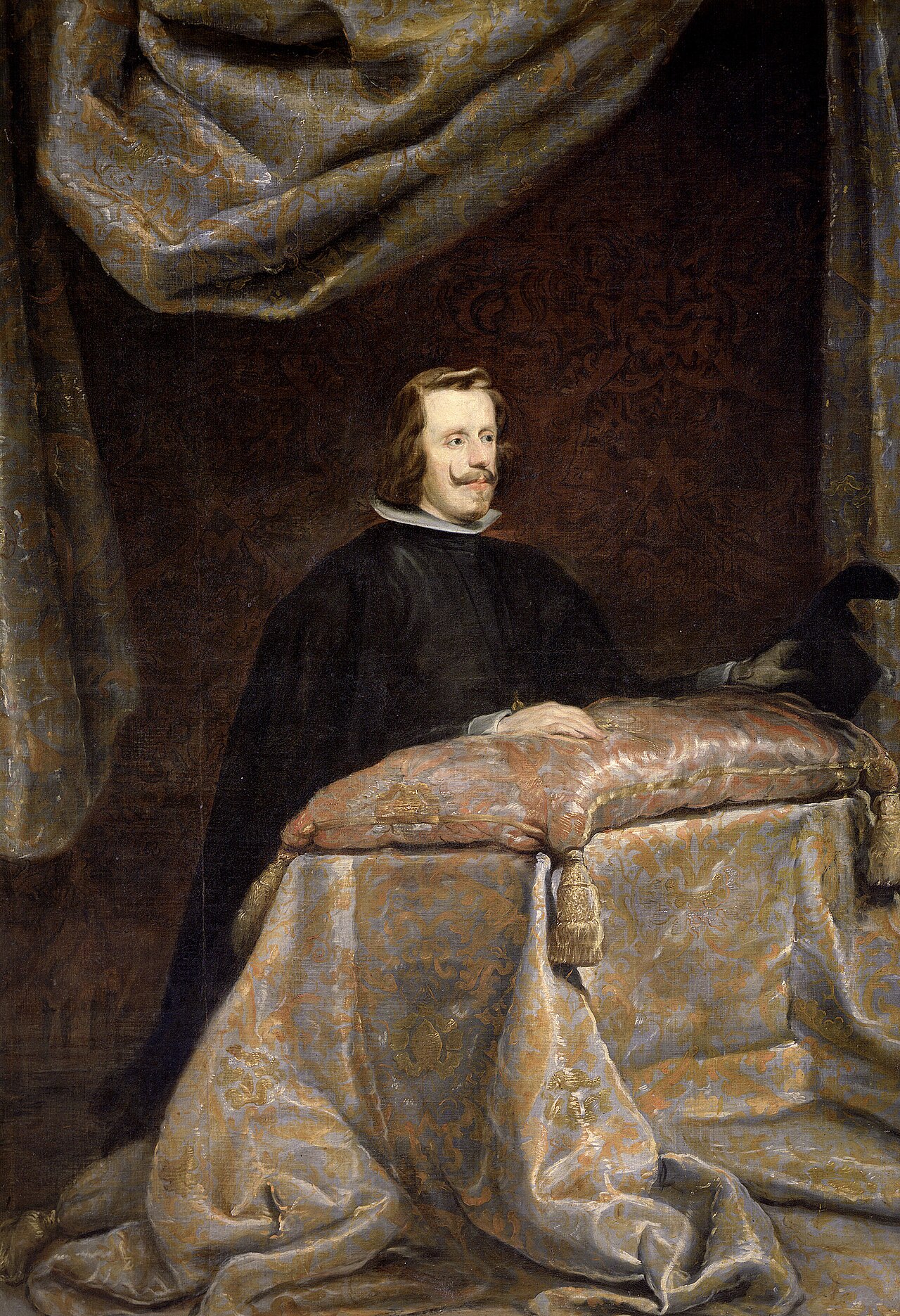
Where this family sits in it
The line this website follows leaves the royal marriage market in the sixteenth century, and the genetics of it become ordinary from that point on.
John of Austria’s mother was not a princess and was not related to his father. His descendants settled in the Low Countries and married the people who were there — for four hundred years, in a country with no dynastic marriage market to speak of and no reason to build one.
So the arithmetic set out above is the arithmetic of Madrid, and it stops applying to this branch at about the point the branch begins. That is a fact about marriage patterns, not a claim about anybody’s merit, and nothing whatever follows from it except that the story of this line, genetically speaking, is a dull one.
Which is the honest answer to the question people actually arrive with, and it is more interesting than the flattering version would have been.
- John of Austria Where this line leaves the dynastic marriage market.
- The Quiet Centuries The Dutch Republic, and the river country the family made its home.
- Great Stories Thirteen of the best, with the record one tap underneath.
Sources
- Vilas, R., et al. (2019). Is the “Habsburg jaw” related to inbreeding? Annals of Human Biology, 46(7–8). doi:10.1080/03014460.2019.1687752. — the 22% figure, the 15 individuals, 66 portraits, 10 surgeons, and the mandibular/maxillary distinction.
- Álvarez, G., Ceballos, F. C., & Quinteiro, C. (2009). The Role of Inbreeding in the Extinction of a European Royal Dynasty. PLOS ONE, 4(4), e5174. doi:10.1371/journal.pone.0005174. — the 16-generation pedigree, F = 0.025 to 0.254, and the child mortality figures.
- Wolff, G., Wienker, T. F., & Sander, H. (1993). On the genetics of mandibular prognathism: analysis of large European noble families. Journal of Medical Genetics. — cited for the dominant-inheritance framing.
- Zamudio Martínez, G., & Zamudio Martínez, A. (2020). A royal family heritage: the Habsburg jaw. Facial Plastic Surgery & Aesthetic Medicine, 22, 120–121. — cited for the trait being traced in this family from Maximilian I.